By Bukar Mohammed (Kano)

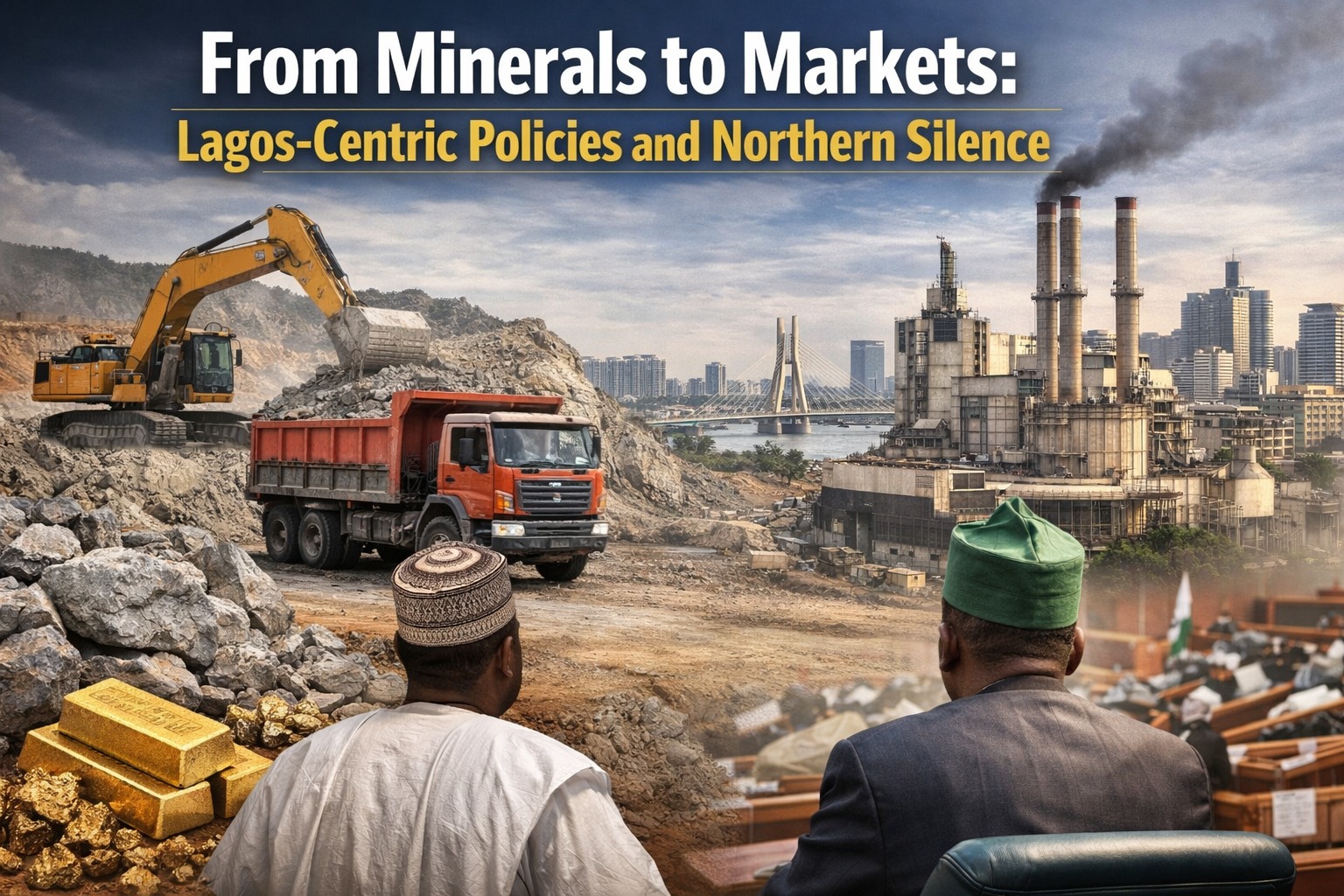
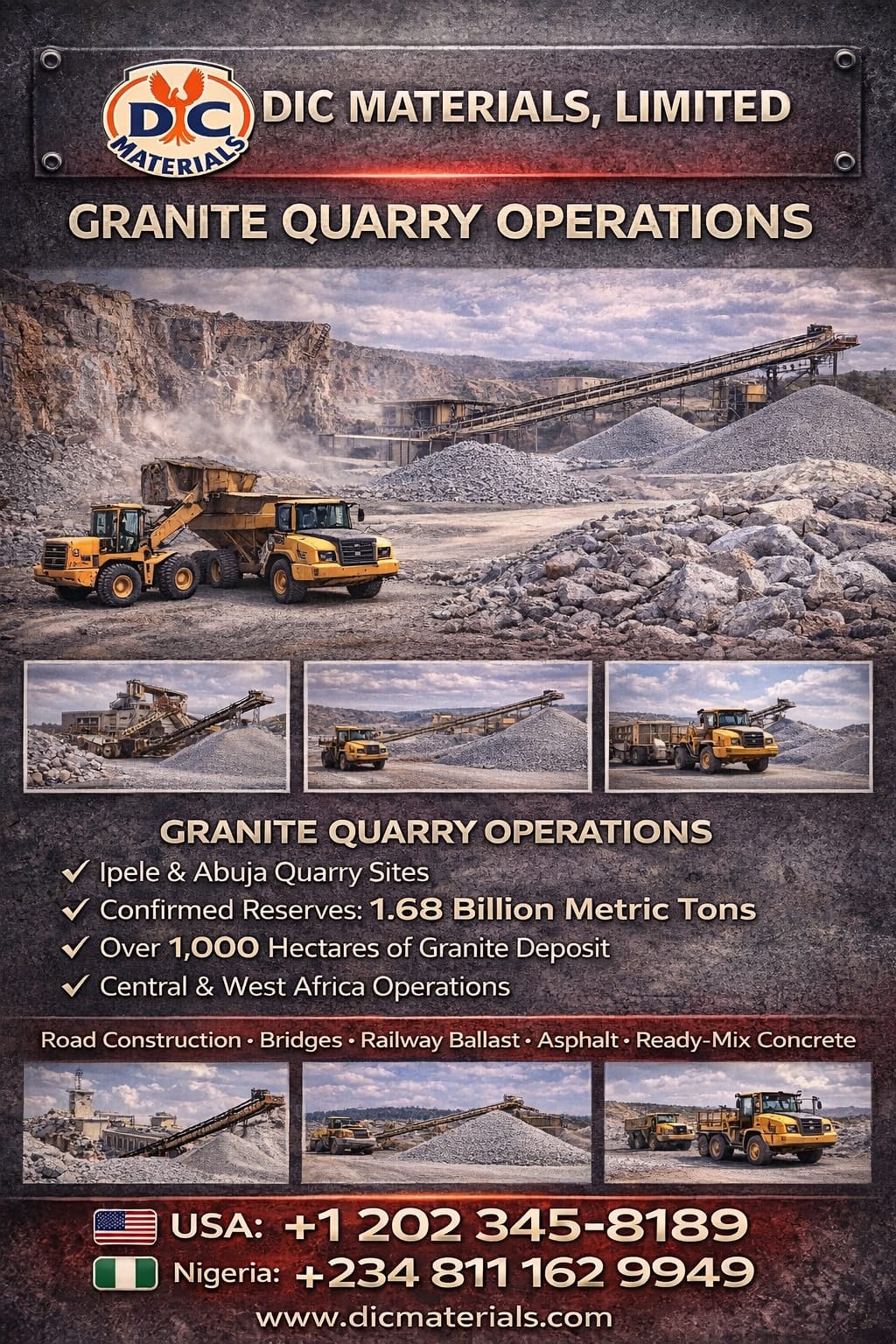
Nigeria has commissioned a $600 million lithium enrichment factory in Lagos, supplied by lithium mined from Kogi, Nasarawa, Kaduna, and the Federal Capital Territory. Gold refined outside the North is similarly sourced from Katsina, Kaduna, Zamfara, Kebbi, and Sokoto. Both lithium and gold are also found in commercial quantities in Borno State.
Yet once again, value addition, beneficiation, and industrial processing are concentrated exclusively in Lagos, far removed from the regions that bear the environmental, security, and social costs of mineral extraction.
This is not an isolated policy choice. It is a recurring national trajectory, and one that should deeply concern anyone committed to equity, federal balance, and long-term national stability.
We Have Seen This Pattern Before
Nigeria has walked this road repeatedly.





For decades, importation was deliberately centralized through Lagos ports, while viable ports across the country were neglected. Borders were closed, logistics distorted, and national trade funnels narrowed.
The outcome was predictable. VAT collections ballooned in Lagos, flowing disproportionately through the Federation Account largely because goods officially entered Nigeria there.


After benefiting from this structural centralization, a troubling narrative later emerged, with parts of the South turning around to label the North “parasites.”
This narrative ignores a critical historical reality.
The North was discouraged from charging VAT on food products in the name of national food security. Agricultural marketing boards were dismantled, exposing farmers to price volatility, rising costs, and insecurity, again in the so-called national interest.
This was not shared sacrifice.
It was selective federalism.
From Crude Oil to Lithium: Same Mistake, New Sector
Nigeria paid dearly for exporting crude oil while importing refined petroleum.
Jobs were lost.
Skills were exported.
Industrial ecosystems never developed where the resource existed.
Today, with lithium now a strategic mineral essential to electric vehicles, battery storage, and the global energy transition, the country is repeating the same structural error.
When beneficiation is separated from extraction:
- Jobs migrate elsewhere
- Infrastructure follows factories, not communities
- Host states lose internally generated revenue
- Resource-rich regions remain perpetually underdeveloped
This is not accidental underdevelopment.
It is policy-enabled economic exclusion.
The Most Dangerous Threat: Legislative Complicity
Even more troubling than Lagos-centric industrial planning is the disturbing complacency of northern legislators.
At the National Assembly, too many have perfected the ritual of “I support the motion”, raising hands without scrutiny, endorsing frameworks without negotiation, and approving policies that strip their constituencies of long-term economic leverage.
This is not ignorance.
It is dereliction.
By failing to insist on beneficiation clauses, location equity, and resource-proximate industrialisation, these representatives have not merely failed their voters, they have mortgaged the future of generations yet unborn.
No region can advance when its representatives treat economic destiny as ceremonial voting.
A Hard Truth the North Must Confront
If the North truly understands what is at stake, then one conclusion is unavoidable:
No legislator who enabled this trajectory deserves a return ticket to the National Assembly.
Representation without resistance is betrayal.
Silence in the face of structural injustice is consent.
Leadership is not measured by how many motions are supported, but by whose interests are defended.
What Must Be Done — Decisively
- Mineral-producing states must host enrichment and refining facilities as a minimum economic standard
- Northern governors must act collectively, not in silence or isolation
- Future legislators must be elected on clear economic red lines, not party slogans
- Civil society and the media must sustain pressure beyond episodic outrage
This is not a call for division.
It is a call for economic consciousness and strategic awakening.
Nigeria cannot continue to centralize value, revenue, and industry in one corridor while preaching unity to others. You cannot ask a region to supply food, absorb insecurity, provide raw materials, and then deny it factories, only to later accuse it of dependency.
If this lithium and gold moment passes without correction, history will record that the North did not lose because it lacked resources, but because its leaders traded the future for convenience.
The time to wake up is now.
Copyright ©️
Bukar Mohammed is a policy analyst and advocate for good governance.