
By Newspot Nigeria Editorial Desk
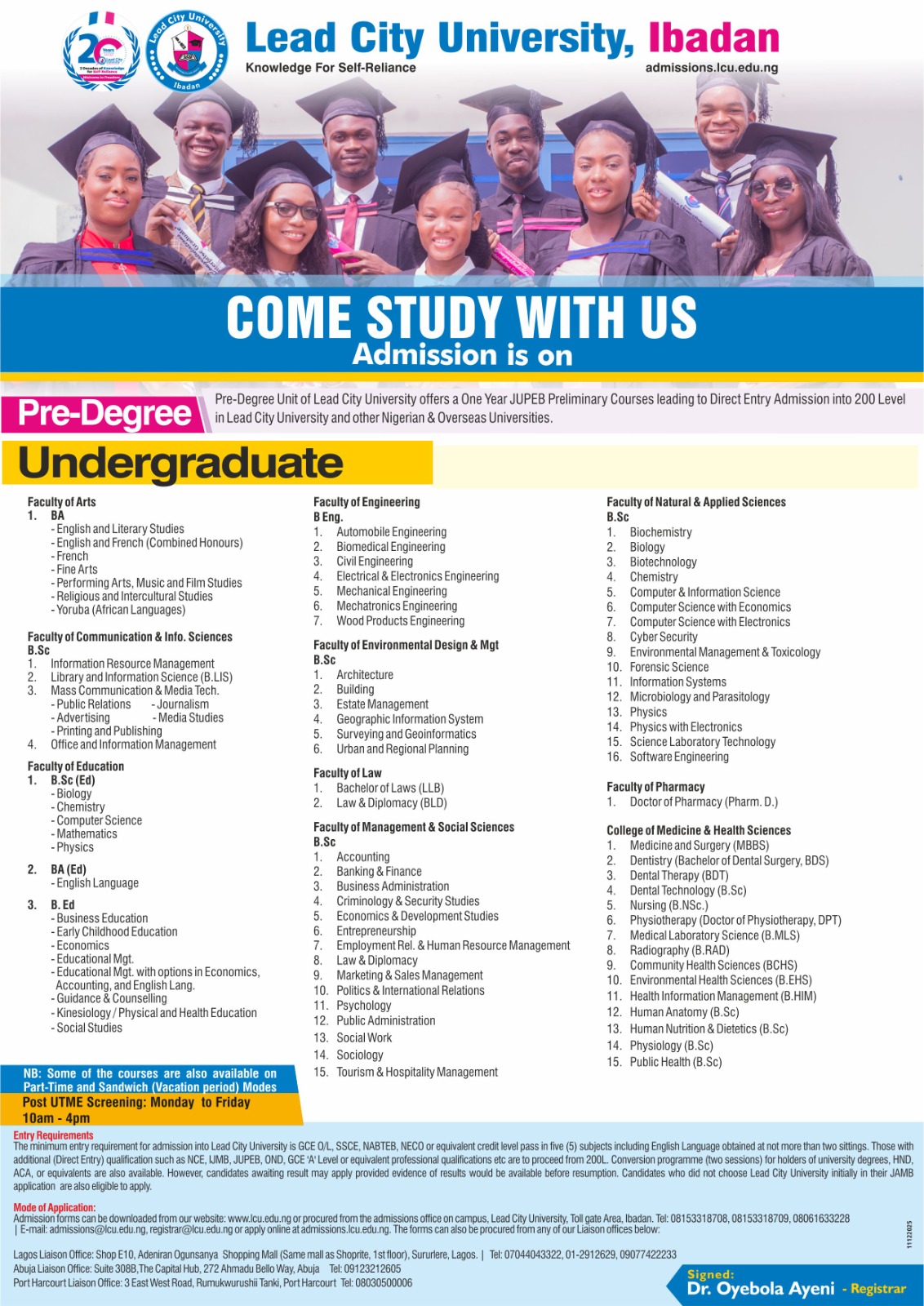
The announcement that the United States will partially suspend visa issuance for Nigerian applicants from January 1, 2026, has generated widespread concern, confusion, and speculation. This explainer breaks down what the policy actually means, who it affects, who is exempt, and what Nigerians should realistically expect going forward.
What Exactly Has Been Announced?
The U.S. government has confirmed that, beginning 12:01 a.m. EST on January 1, 2026, it will partially suspend the issuance of certain categories of visas to nationals of 19 countries, including Nigeria.
The decision is based on a new presidential immigration directive issued under the authority of President Donald Trump, aimed at tightening U.S. border security and visa vetting processes.

Importantly, this is not a total travel ban, but a targeted suspension affecting specific visa classes.





Which Visa Categories Are Affected?
For Nigerian applicants, the suspension applies to:
- B-1/B-2 visas (business and tourist visas)
- F visas (academic students)
- M visas (vocational students)
- J visas (exchange visitors)
- Most immigrant visas, with limited humanitarian and strategic exceptions
In simple terms, new applications in these categories will generally not be approved once the policy takes effect.


Who Is NOT Affected?
Despite the sweeping headlines, several groups are explicitly exempt:
- Nigerians who already hold valid U.S. visas issued before January 1, 2026
- U.S. lawful permanent residents (Green Card holders)
- Dual nationals using a passport from a non-affected country
- Diplomats and official government travelers
- Special Immigrant Visa (SIV) holders, including certain U.S. government employees
- Participants in major international sporting events
Existing visas will not be cancelled simply because of the new policy.
Why Is Nigeria Included?
U.S. authorities cite a combination of factors, including:
- High visa overstay rates
- Security and identity verification concerns
- Gaps in information-sharing frameworks
- Broader immigration enforcement priorities
Nigeria is grouped with countries facing partial restrictions, not a blanket prohibition, signaling a policy leverage tool rather than a permanent ban.
What This Means for Nigerians
Students
Prospective students who have not secured visas before January 1, 2026 may face major delays or outright ineligibility unless granted a rare waiver.
Families & Visitors
Routine family visits, tourism, and short-term business travel will become significantly harder for new applicants.
Professionals
Those planning conferences, exchange programs, or training programs in the U.S. may need alternative destinations or timelines.
Is This Permanent?
No timeline has been given for lifting the suspension. Historically, similar restrictions have been reviewed periodically and adjusted based on diplomatic engagement, compliance improvements, and geopolitical shifts.
However, Nigerians should plan on the assumption that the policy will remain in force for the foreseeable future.
What Should Nigerians Do Now?
- If you already have a valid visa, you can still travel—check expiry dates carefully.
- If you plan to study or travel, explore alternatives in Europe, the UK, Canada, or Asia.
- Avoid misinformation—only rely on official embassy and U.S. Department of State updates.
The Global Perspective
This move reflects a hardening global immigration environment, where mobility is increasingly shaped by geopolitics, security frameworks, and bilateral trust. For Nigeria, it underscores the growing link between foreign policy credibility, data systems, and citizen mobility.
This explainer was produced by Newspot Nigeria, committed to providing clear, accurate, and accessible analysis of major national and international developments affecting Nigerians at home and abroad.