
By Newspot Nigeria Editorial Desk

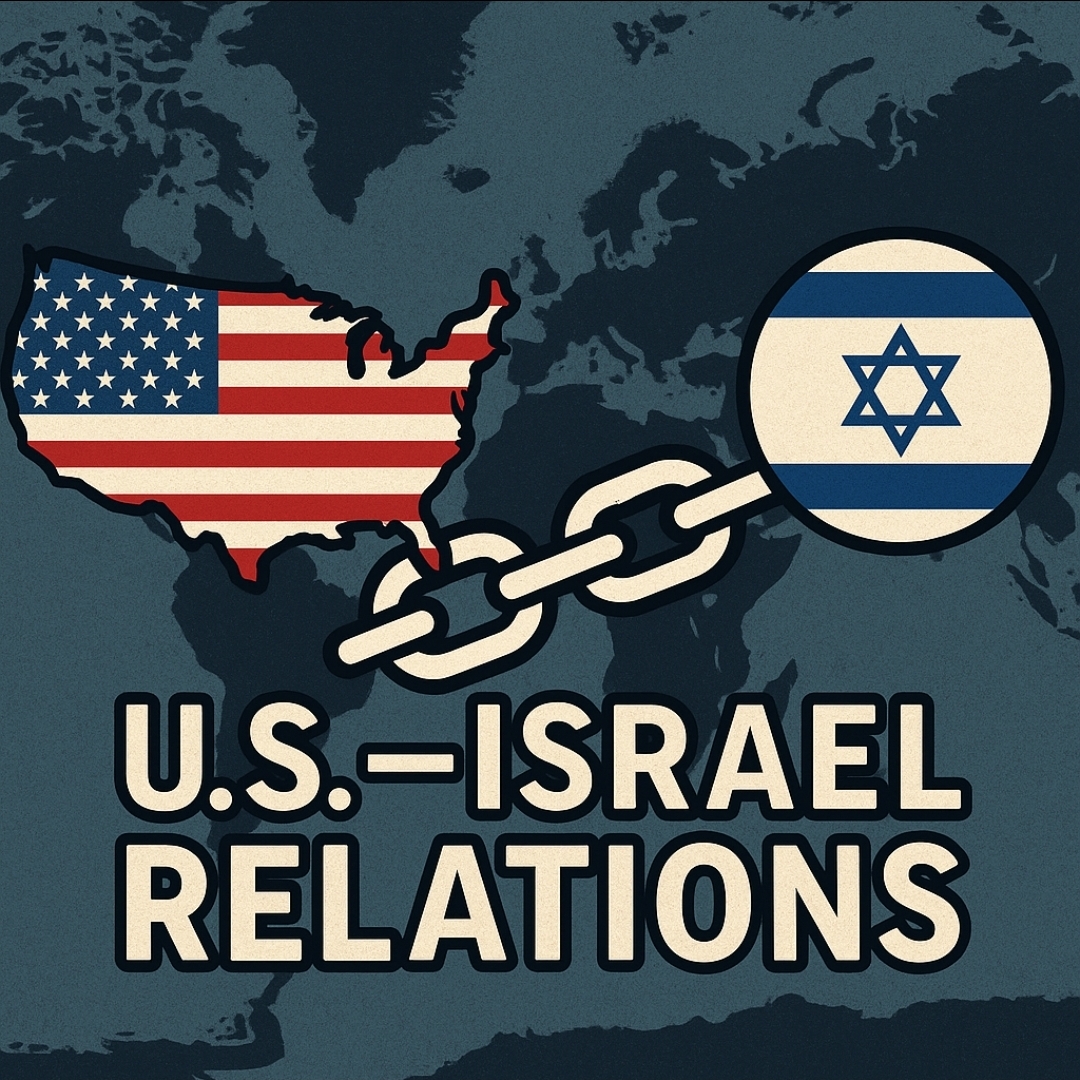
For more than thirty years, the United States treated Israel in a way it treated no other partner. The support was unconditional, the diplomacy was protective, and the political relationship was almost immune to consequences. Washington shielded Israel at the United Nations, supplied billions of dollars in military aid, and avoided public criticism even when Israeli actions ran against stated American goals. That arrangement is now cracking under the weight of events.
Andrew P. Miller’s analysis in Foreign Affairs captures a turning point. The Gaza war has pushed the old assumptions to their limits. The idea that unconditional support would give Israeli leaders the confidence to pursue peace has failed. Instead, the world has watched prolonged war, heavy civilian casualties, a deep humanitarian crisis, and a surge in political extremism inside Israel. At the same time, public opinion in the United States has shifted sharply. Younger Americans, especially, have grown sceptical of Israel’s actions and of Washington’s willingness to defend them.
The Biden administration felt these tensions early in the conflict. It tried to influence Israeli operations through private diplomacy but rarely used the leverage that came with American aid. That caution weakened Washington’s bargaining power and left many observers wondering whether American policy had drifted too far from its own laws and values. The hesitation also allowed Israeli hardliners to push ahead with tactics that strained relationships across the Middle East.

Donald Trump’s return to office created a different but equally unpredictable dynamic. His approach mixed personal pressure on Prime Minister Netanyahu with moments of full political backing. The dramatic intervention that forced Israel to accept the October 2025 cease-fire showed that Washington can change Israeli behavior when it chooses to. Yet the months before that moment revealed how inconsistent American policy can become when it relies on personalities rather than clear standards.





What is emerging is the recognition that the old model is no longer sustainable. The humanitarian devastation in Gaza has created a moral burden. Israel’s political direction, shaped by far-right figures and a prime minister facing intense scrutiny, has created diplomatic and strategic risks. And America’s global standing has taken a hit as other countries question why Washington applies strict rules to some partners but not to Israel.
Miller’s central argument is that the United States must move toward a normal relationship rather than an exceptional one. That does not mean abandoning Israel. It means setting expectations that match American laws, values, and interests. It means enforcing the same human rights rules that apply to other allies. It means recognizing that unlimited political protection can encourage reckless decisions. And it means keeping both countries out of each other’s partisan politics, which has already caused long-term damage.


If the United States adopted this new direction, it could help prevent annexation in the West Bank, reduce the risk of wider regional conflict, and rebuild trust among Americans who feel alienated by recent events. It could also give the Palestinians a better chance of emerging from this war with credible political structures that are not shaped by extremism or despair.
For Nigeria and other countries that study global power shifts, the message is simple. No alliance, no matter how old or sacred, is immune to change. Domestic opinion matters. International law matters. Strategic realities matter. And the world is moving into a period where even the closest partnerships will be judged by the results they produce, not the history they claim.
The United States and Israel will remain linked. But the nature of that link is evolving. The coming years will reveal whether both sides can adjust before the relationship suffers deeper and more lasting damage.
—Newspot Nigeria.