

By Abidemi Adebamiwa, Editorial Desk

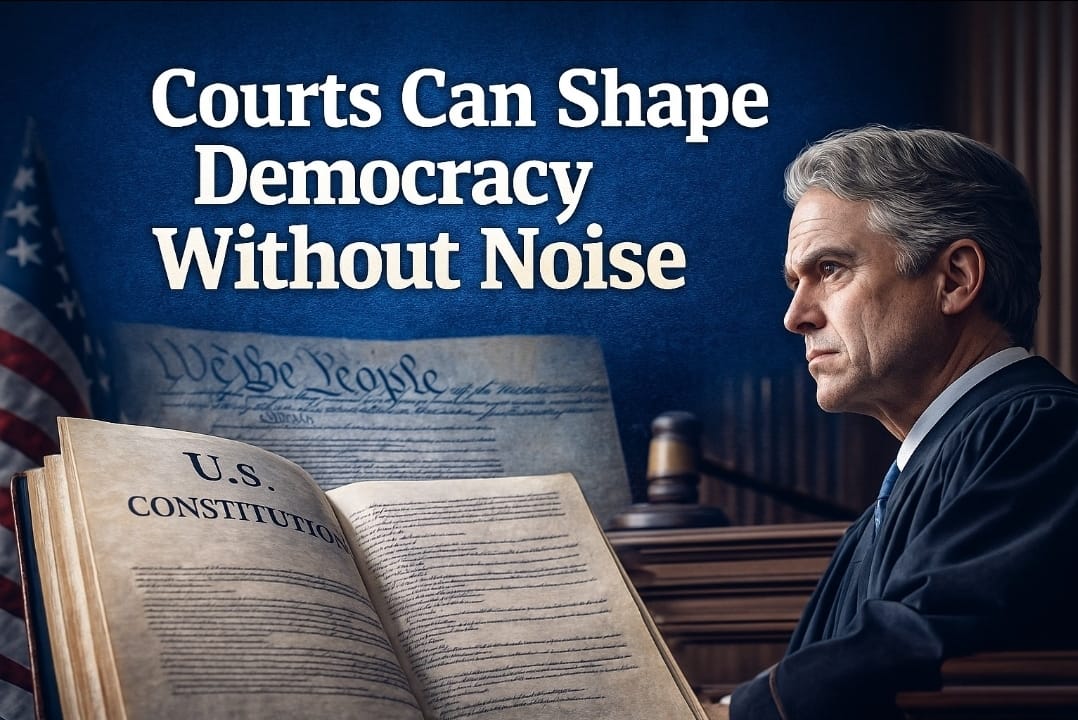
It was never meant to be a landmark. It was the ruling that turned a forgotten commission sheet into the blueprint for an institution’s duty. The case was Marbury v. Madison, 1803. What started as midnight paperwork at the exit of one administration became morning law for every administration that followed.
The political tension began with the Midnight Judges signed by outgoing President, John Adams, just before President Thomas Jefferson assumed office. William Marbury held one of those signed commissions on paper, but never by hand. Secretary of State James Madison declined to deliver it.
Marbury asked the Supreme Court to compel delivery. Chief Justice John Marshall agreed Marbury had the right to the job but said something the young republic had not yet heard in precedent form. A statute cannot stretch a Court past the Constitution. The Judiciary Act had tried just that. Marshall struck the offending section out and birthed judicial review — the power to review laws and executive conduct against the Constitution.

But that strike came with a quiet instruction courts are not supreme because they say so. Courts last when they admit who is supreme. The Constitution reviews the reviewer if the reviewer ever strays. The Court could check Congress but could not rewrite the document that empowered the check. The Presidency could issue authority but could not bury constitutional authority.





So came the question democracies whisper until they must shout Who will check the checkers? The answer was folded into the judgment itself. The Constitution would remain the top document. Everyone else, including the Court, would sit under it. The checker was checked by the Charter it could not itself check.
History remembers this case not because a man lost a letter, but because a system gained a hinge. Democracies wobble, not from dispute, but from institutions forgetting they have edges. 1803 mattered because one institution remembered its edges and drew them with ink, not noise.


At Newspot Nigeria, we tell these stories knowing they are mirrors before museums. Institutions must accept boundaries to earn trust. Precedent must choose permanence over performance. Courts must choose Charter over chest-thumping. And citizens must ask the questions institutions sometimes wish would be forgotten. Because in the end, the real check is not institutional echo. It is a public that stays informed and refuses to look away.