

By Olugbenga Adebamiwa
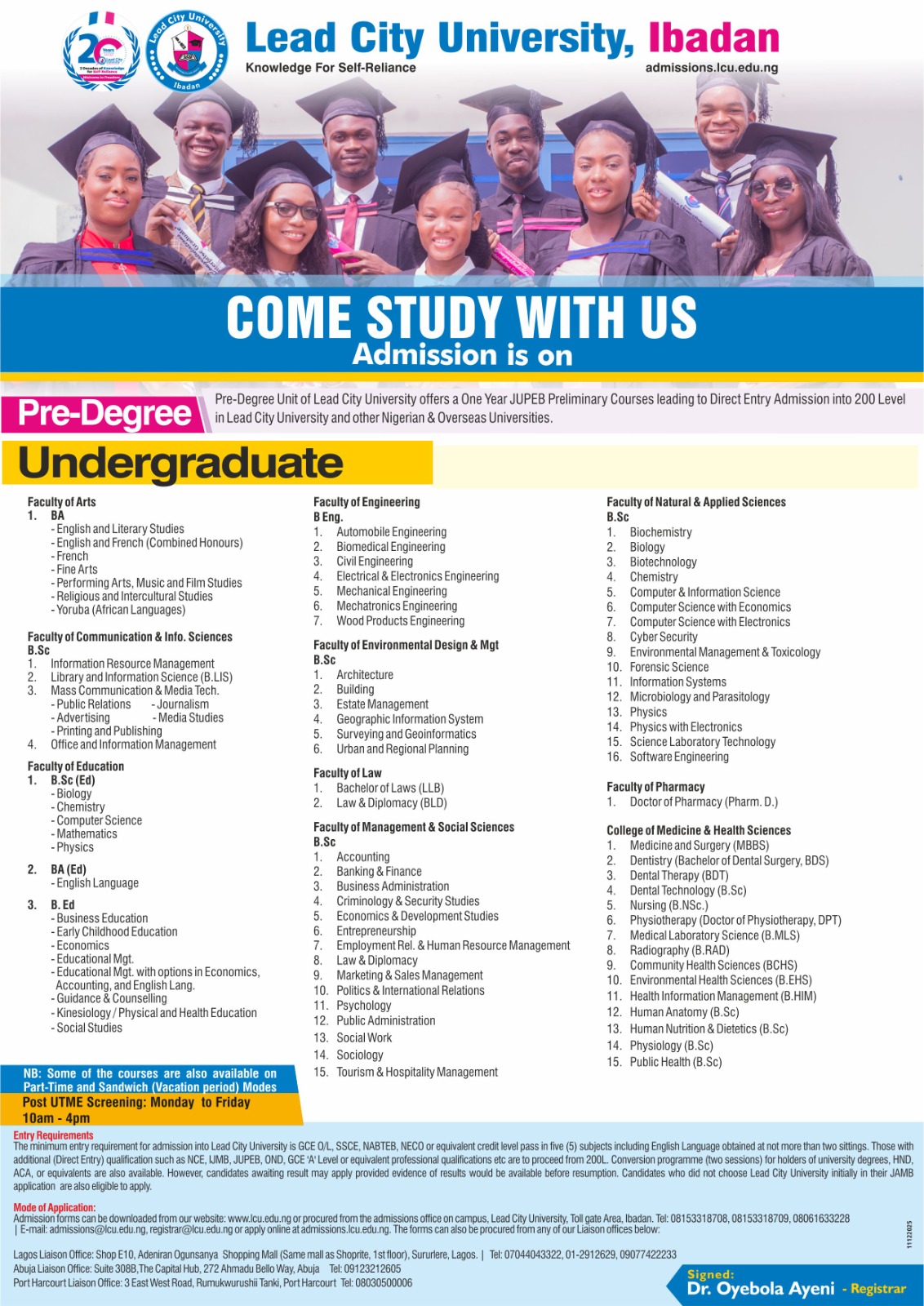
Nigeria’s 15-year struggle against Boko Haram reveals a sobering truth, the country is not battling a mere terror group but a resilient ideological system that feeds on governance failures, regional inequality, and global jihadist networks. Despite major territorial gains made by the Nigerian military since 2015, insurgent factions particularly ISWAP continue to recruit, adapt, and strike across the Lake Chad Basin. This endurance underscores a deeper structural challenge, extremism thrives where governance retreats. In examining what many analysts call the “Boko Haram doctrine,” it becomes clear that Nigeria must rethink its strategy from the ground up.
Research from the UNDP and International Crisis Group shows that up to 71% of former Boko Haram members joined due to economic desperation, not ideological conviction. This aligns with the argument that Boko Haram is an adaptive doctrine, one that weaponizes poverty, political exclusion, and the absence of state services in Borno, Yobe, and Adamawa. The group’s rejection of Western education, governance, and modern institutions explains its systematic targeting of schools, from the 2014 Chibok abduction to the recent attacks in northern secondary schools. In a region where over 1.9 million children remain out of school, Boko Haram’s anti-education message finds fertile ground.
The resilience of insurgency is also reinforced by Nigeria’s historical governance deficits. Limited state presence, corruption in local recruitment processes, underfunded security institutions, and poor intelligence coordination have created opportunity structures extremists exploit. Regionally, instability in the Sahel particularly the collapse of Libyan arms depots, the movement of foreign fighters, and the rise of ISIS affiliates has provided Boko Haram with supply chains and ideological reinforcement. Nigeria’s porous borders with Niger, Chad, and Cameroon further ease the movement of fighters, weapons, and illicit trade networks that sustain the groups financially.

While the Nigerian military successfully ended Boko Haram’s territorial control between 2015 and 2018, kinetic success alone could not dismantle an ideology. Boko Haram’s fragmentation into factions including Shekau loyalists, ISWAP, and autonomous cells has given the movement flexibility. ISWAP now uses taxation systems, propaganda, and limited “governance services” to win local acceptance in some communities around the Lake Chad border areas. Analysts warn that this evolution from indiscriminate violence to strategic insurgency is part of a broader trend where extremist groups blend coercion with community engagement to outperform weak states.





From Afghanistan’s Taliban resurgence to Somalia’s decades-long battle with Al-Shabaab, global counter-terrorism experience reveals a consistent pattern, where governments fail to address root causes, unemployment, inequality, corruption, lack of justice, terrorist ideologies regenerate. Nigeria’s challenge mirrors these global dynamics. Without economic reform, judicial credibility, education expansion, and community-based intelligence architecture, Nigeria risks fighting symptoms while the disease mutates. The Lake Chad Basin Commission, African Union, and ECOWAS all emphasize that Nigeria’s insurgency is now a regional security threat requiring synchronized action, not fragmented responses.
Permanently defeating extremism demands a whole-of-government strategy anchored on governance, justice, and inclusive development. Nigeria must (1) implement aggressive education and literacy drives across the North East (2) build a credible, community-trusted security presence with modern intelligence technology (3) overhaul border management and digitize migration systems (4) expand economic empowerment programs targeting the 15–35 youth demographic most vulnerable to recruitment (5) prosecute terror financiers and local collaborators without political interference (6) accelerate deradicalization and reintegration programs with transparent monitoring (7) strengthen regional joint operations (MNJTF) and (8) rebuild trust through governance reforms, anti-corruption enforcement, and functional social services. Nigeria will win this war only when the state becomes more attractive, more reliable, and more present than the doctrine that seeks to replace it.


©️ Adebamiwa Olugbenga Michael
Lagos-based political Analyst Exploring Ethnic Economics and Urban Policy Through Open-Source Data