

By Newspot Nigeria Editorial Desk

A fresh wave of controversy erupted on Thursday after activist Omoyele Sowore released new documents and allegations suggesting that Senator Ned Nwoko began a marital relationship with Regina Daniels while she was still a teenager. The viral post included images of her passport and claims that the senator personally handled her travel documentation shortly after she turned eighteen.


Sowore argued that the documents in circulation contradict Nwoko’s long-standing claim that Regina was already twenty-one when they met. He also accused the senator of using his influence within the Nigeria Police Force to intimidate critics and members of his estranged wife’s family – allegations Nwoko has denied in the past.

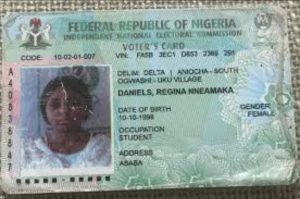
In an earlier public defence, Nwoko displayed Regina’s Permanent Voter’s Card showing a 1998 birth year. Instead of clearing the air, the PVC has triggered a new line of public inquiry. A voter’s card is a confidential INEC document, meant to remain in the possession of the cardholder. Nigerians are now asking three direct questions that the senator has not addressed:




Credit: Senator Ned Nwoko’s Twitter page
• How did he obtain Regina’s voter’s card – a personal electoral document she alone is expected to keep
• At what stage did he gain access – before she turned eighteen or only after their relationship became public
• Why would he have full custody of such a sensitive document – unless he was already handling her official paperwork at an early age
These questions have gained more weight because Sowore’s allegations also claim that the senator handled her passport applications. To many observers, both documents – the PVC and the passport – suggest a level of access and control that requires explanation.

The renewed controversy has reignited a nationwide debate about child protection, power dynamics and the uneven enforcement of Nigerian marriage laws.
Nigerian Law Actually Says What?
Nigeria’s federal law leaves no room for ambiguity. Here are the relevant legal provisions – directly and clearly:
• Child’s Rights Act 2003 – Section 21
No person under eighteen is capable of contracting a valid marriage.
• Child’s Rights Act 2003 – Section 22
Child betrothal is prohibited.
• Child’s Rights Act 2003 – Section 23
Anyone who marries, betroths, aids or abets the marriage of a child commits an offence and is liable to punishment.
These federal protections apply across Nigeria. Although some northern states have not domesticated the Child’s Rights Act, federal criminal statutes still govern matters involving sexual offences, coercion, trafficking, exploitation and the movement of minors for marital purposes. A customary or religious ceremony involving a person under eighteen may be socially or culturally recognized, but it cannot override federal child-protection law.
Sowore’s additional allegation that Nwoko weaponized the police, if proven, may raise constitutional concerns relating to dignity, liberty and potential abuse of office. Those claims remain untested but contribute to the broader public scrutiny of the situation.
A Broader Outlook
This episode highlights Nigeria’s long-standing conflict between statutory law, cultural practices and political influence. Federal law clearly prohibits marriage to anyone under eighteen, but enforcement gaps, regional differences and the involvement of powerful individuals often create suspicion and controversy.
Senator Nwoko has not issued a fresh response to the latest allegations, but the national conversation continues to intensify.