
By Newspot Nigeria News Desk
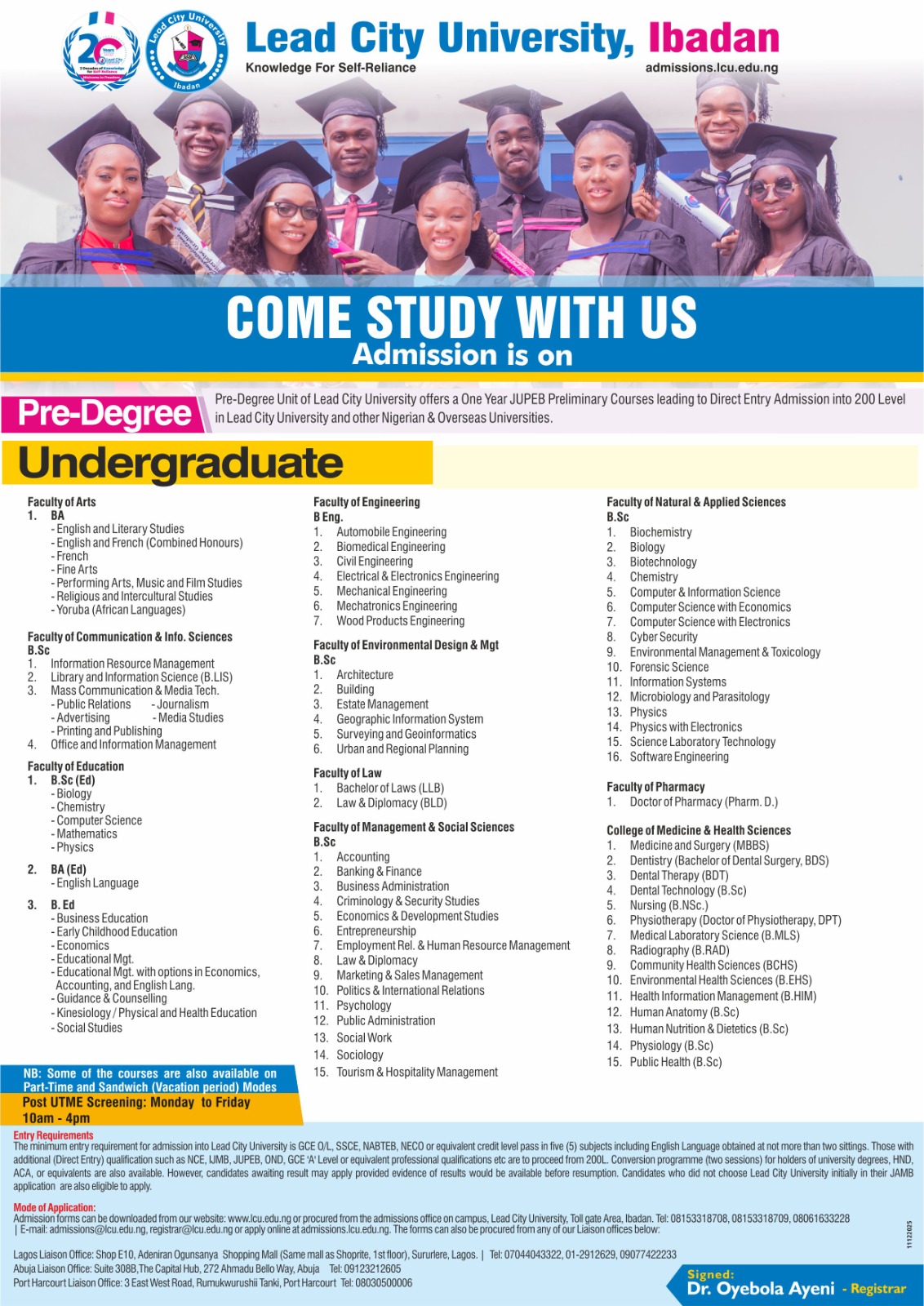
Abuja — The Independent Corrupt Practices and Other Related Offences Commission (ICPC), in partnership with the Economic and Financial Crimes Commission (EFCC) and the Code of Conduct Bureau (CCB), has commenced a two-day capacity-building workshop under the Commonwealth Africa Region Anti-Corruption Research Project.
The initiative, facilitated by the Commonwealth Africa Anti-Corruption Centre (CAACC), is designed to deepen regional cooperation in identifying corruption typologies and trends across Commonwealth African countries. It aims to strengthen evidence-based policymaking and advance the use of data-driven research in the anti-corruption fight.
Speaking at the opening ceremony held at the ICPC Headquarters in Abuja, ICPC Chairman Dr. Musa Adamu Aliyu, SAN, represented by the Director of Operations, Mr. Shehu Yahaya, emphasized that the fight against corruption must evolve beyond investigation and prosecution to include research and knowledge-based prevention strategies.

“Corruption is not a singular act; it is a complex ecosystem of behaviours, incentives, and vulnerabilities. It manifests differently across institutions, sectors, and societies. Understanding these typologies is essential for designing targeted, effective, and sustainable anti-corruption strategies,” he said.
Dr. Aliyu noted that the research project seeks to uncover the underlying drivers of corruption and develop actionable insights that can shape policy reforms and institutional resilience in Nigeria and other Commonwealth African nations.




“The findings will inform policy, uncover patterns, reveal truths, and shape the future of governance in Nigeria and Africa at large,” he added.
The ICPC Chairman reaffirmed that the Commission’s Strategic Action Plan (2024–2028) prioritizes prevention, education, and system reviews as central tools in the anti-corruption effort. He encouraged participants to maximize the opportunity for learning and collaboration, emphasizing that the training is not only about technical skills but also about reinforcing ethical and analytical standards.
The workshop brings together representatives from the ICPC, EFCC, and CCB, along with other stakeholders from the anti-corruption ecosystem, to share best practices and develop innovative research approaches tailored to African contexts.


— Newspot Nigeria
Full Statement from the ICPC
INDEPENDENT CORRUPT PRACTICES AND OTHER RELATED OFFENCES COMMISSION (ICPC)
PRESS RELEASE
Monday 13th October, 2025
ICPC, EFCC, and CCB Commence Training on Commonwealth Anti-Corruption Research Project in Nigeria
The Independent Corrupt Practices and Other Related Offences Commission (ICPC), in collaboration with the Economic and Financial Crimes Commission (EFCC) and the Code of Conduct Bureau (CCB), has commenced a two-day training workshop on the Commonwealth Africa Region Anti-Corruption Research Project.
The research initiative aims to identify corruption typologies and trends across Commonwealth African countries, strengthen data-driven anti-corruption strategies, and enhance collaboration among agencies in the region.
Speaking at the opening session held at the ICPC Headquarters in Abuja, the Chairman of ICPC, Dr. Musa Adamu Aliyu, SAN, represented by the Director of Operations, Mr. Shehu Yahaya, emphasized the importance of research and collaboration in understanding and combating corruption in its various forms.
“Corruption is not a singular act; it is a complex ecosystem of behaviours, incentives, and vulnerabilities. It manifests differently across institutions, sectors, and societies. “Understanding these typologies is essential for designing targeted, effective, and sustainable anti-corruption strategies,” he stated.
The ICPC Boss explained that the study, initiated by the Commonwealth Africa Anti-Corruption Centre (CAACC), seeks to provide deeper insights into prevailing corruption challenges while sharing best practices among anti-corruption agencies.
According to him, the exercise represents a major step forward in building an evidence-based approach to anti-corruption work. It aligns with ICPC’s strategic mandate not only to investigate and prosecute corrupt practices but also to prevent them through research, education, and systemic reforms.
Dr Aliyu stated, “The CAACC considers it necessary that major anti-corruption agencies in Nigeria and other Commonwealth African countries collaborate to conduct this study,” Dr. Aliyu noted. “The findings will inform policy, uncover patterns, reveal truths, and shape the future of governance in Nigeria and Africa at large.”
He urged participants to take full advantage of the training, stressing that beyond technical capacity, it should also strengthen their ethical commitment and analytical skills.
The training workshop, which brings together representatives from the ICPC, EFCC, CCB, and other stakeholders, is expected to develop innovative research approaches to deepen the fight against corruption in Nigeria and across Commonwealth Africa.
Signed
Demola Bakare, fsi
Director, Public Enlightenment and Education/
Spokesperson for the Commission