
By the Newspot Nigeria Editorial Desk
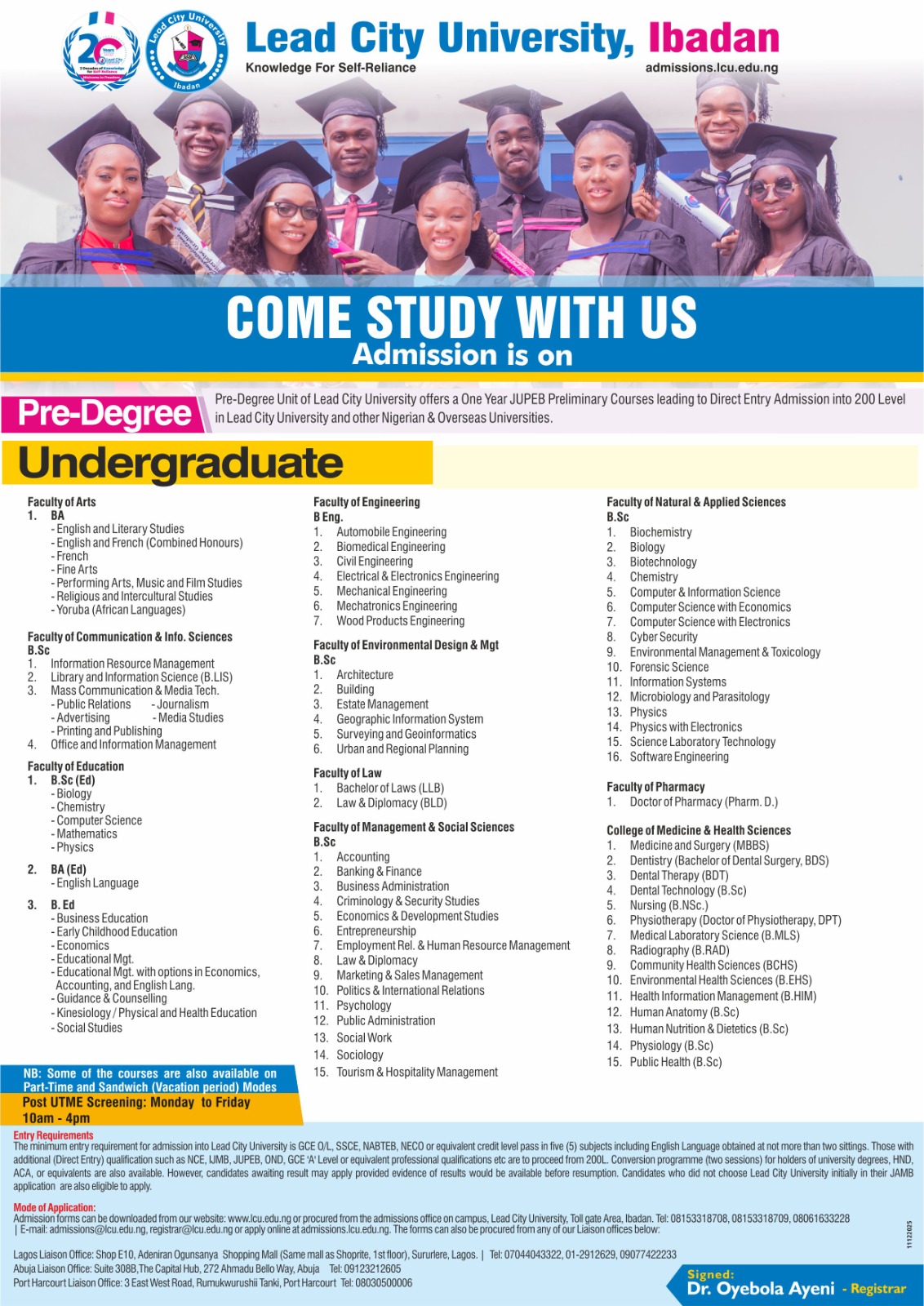
The phrase “natural allies” has become a convenient tool in modern diplomacy — used to frame partnerships, justify coalitions, and simplify global complexity. Yet, as Lina Chang of the Pacific Forum argues in her essay “Fragile Bonds, Strategic Necessities: Rethinking the Language of ‘Natural Allies’”, the label often obscures the fragile realities beneath political alliances.
Chang’s analysis dismantles the myth of unity within the CRINK coalition—China, Russia, Iran, and North Korea—a group popularly described as an “Axis of Upheaval.” While these nations outwardly project defiance against the U.S.-led international order, their relationships are riddled with historical mistrust, economic rivalry, and strategic contradictions. China fears Russian resurgence, Iran resents centuries of territorial losses to Moscow, and North Korea’s allegiance drifts between both giants depending on leverage.
The same applies to democracies. Japan and South Korea, often hailed as “natural allies,” have spent decades navigating unresolved colonial grievances, wartime disputes, and shifting security calculations. Despite their shared democratic values and U.S. partnership, their cooperation endures not through natural alignment but through hard, deliberate diplomacy.
By labeling partnerships as “natural,” global policymakers risk ignoring the effort and compromise that sustain them. The term breeds complacency, fosters binary thinking, and discourages nuanced engagement with unconventional partners. Chang’s warning is timely: the world’s alliances are not born of destiny — they are constructed, managed, and constantly renegotiated.




As global power shifts and multipolar realities deepen, understanding these complexities becomes essential. The future of diplomacy lies not in searching for natural allies, but in cultivating strategic maturity that embraces diversity, pragmatism, and cooperation beyond ideological lines.
Adapted from Lina Chang’s “Fragile Bonds, Strategic Necessities: Rethinking the Language of ‘Natural Allies’,” originally published by Pacific Forum. Read more global affairs commentary and geopolitical insights on Newspot Nigeria.