By Bukar Mohammed
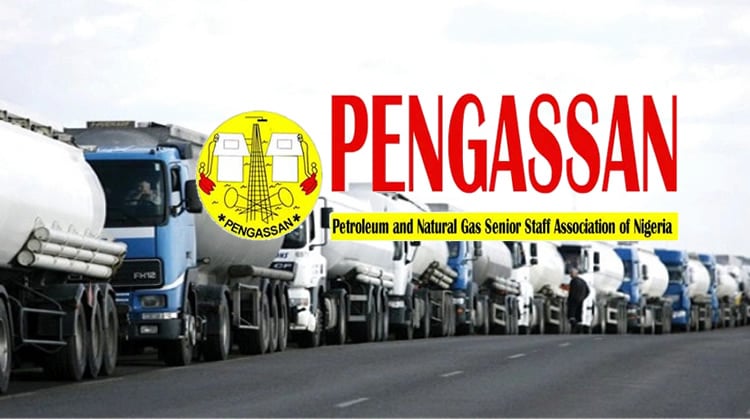
The Petroleum and Natural Gas Senior Staff Association of Nigeria (PENGASSAN) has once again chosen the nuclear option—a nationwide strike. This time, the trigger is the reported dismissal of workers at the Dangote Refinery. While unions are crucial in defending workers’ rights, PENGASSAN’s recurring disruptions raise a pressing question: has the union outlived its essence in Nigeria’s oil and gas sector, and is it now undermining the very stability it once sought to protect?
A Disputed Case.
The facts remain contested. PENGASSAN insists that 800 Nigerians were dismissed for joining the union and replaced with over 2,000 expatriates. The Dangote Group, however, denies such sweeping claims, describing the move as restructuring for efficiency and safety.
In a nation where misinformation often fuels unrest, one would expect fact-finding and arbitration before calling for an indefinite strike. Instead, PENGASSAN has once again chosen confrontation over dialogue—plunging the entire oil and gas value chain in Nigeria into avoidable uncertainty.





A Pattern of Disruption
For decades, PENGASSAN strikes have been wielded like a blunt weapon, leveraging the union’s grip on the petroleum sector. The outcome is always predictable:


- Crippled oil production
- Flight of foreign investors
- Shockwaves across an already fragile economy
In the 1970s and 1980s, this militancy had some justification, given weak regulatory safeguards. But in 2025, with a reformed Ministry of Labour, established industrial arbitration mechanisms, and the National Industrial Court of Nigeria, PENGASSAN’s reliance on strikes over negotiation now looks more like economic sabotage than workers’ protection.
Dangote Refinery and National Interest
The $20 billion Dangote Refinery project is not just a private venture. It is a strategic national asset designed to end Nigeria’s dependence on imported petroleum products. Its success directly influences:
- Inflation control
- Energy security
- Job creation
To threaten its operations with a blanket shutdown is reckless brinkmanship. If workers were indeed wrongfully terminated, Nigeria’s labour justice framework provides remedies: the National Industrial Court and arbitration panels. A union truly confident in its case would pursue these legal channels rather than drag the entire country into economic paralysis.
Double Standards Across Sectors
As one commentator noted:
ASUU does not force Covenant or Babcock University to unionize.
NURTW does not storm private bus companies like God Is Good or GUO.
NUT does not impose itself on private schools like Chrisland or British International College.
So why does PENGASSAN believe it can dictate terms to Dangote Refinery, a private entity? Nothing prevents the union from investing in or establishing its own refinery if it wishes to showcase “labour-friendly” ownership. Until then, its interference smacks of opportunism, not principle.
Time for Reform
Nigeria must now have an honest conversation about PENGASSAN’s place in the economy. Labour unions are indispensable in democracies, but they must evolve with the times. What was once a tool of liberation has, in PENGASSAN’s case, become a weapon of disruption.
For Nigeria to build a modern energy economy, labour relations must shift:
From strikes to structured negotiations
From slogans to solutions
From militancy to meaningful reform
PENGASSAN must adapt, re-strategize, or prove itself by building its own refinery. Otherwise, history will remember it not as a defender of workers, but as an obstacle to Nigeria’s progress in the oil and gas sector.
BuKar is a policy analyst from Kano