By Bukar Mohammed
Sokoto State has long been known as a center of history, faith, and culture in northern Nigeria. Yet this year, it made headlines for a troubling reason: finishing last in the 2025 NECO examinations. For a state with such a proud legacy, this outcome is not just disappointing—it is unacceptable. It is a call to action.
Education is more than numbers on a national ranking sheet. It is the oxygen of opportunity. When thousands of Sokoto’s children leave secondary school with results that lock them out of universities, scholarships, and competitive careers, it is not merely a personal tragedy. It is a collective failure that mortgages the state’s future.
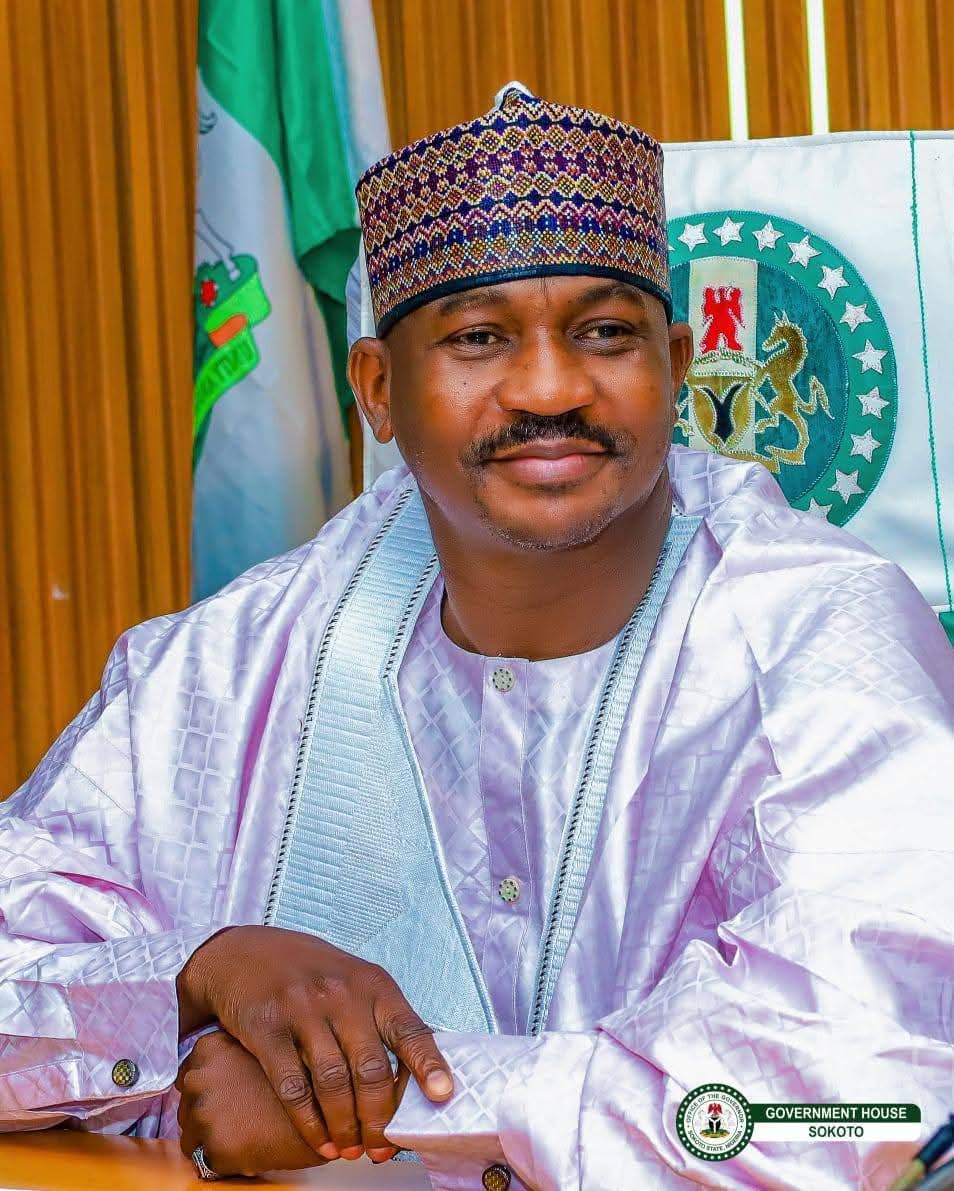
Governor Ahmad Aliyu must now treat education not as a routine portfolio but as an emergency demanding bold, transformative reform. What Sokoto needs is nothing short of an educational revolution.

Poor exam performance translates into shrinking opportunities, deepening poverty, and widening inequality. It tells families in rural villages that their children’s dreams will end in disappointment, while their peers elsewhere climb ladders of mobility through education. It warns investors and development partners that Sokoto may not be ready to supply the skilled workforce required for growth. And it signals to the nation that Sokoto’s greatest asset—its human capital—is being wasted.




The revolution Governor Aliyu must lead begins with teachers. No school system can rise above the quality of its educators. Sokoto must attract, train, and retain skilled teachers through proper incentives, continuous professional development, and strong accountability measures. Equally urgent is infrastructure: classrooms that are not crumbling, libraries that are not empty, laboratories that actually teach science. Alongside these, curriculum reform, remedial programs for struggling students, and a data-driven monitoring system should be put in place.
Rural schools—often the most neglected—require targeted investment to ensure no child is left behind by geography. Girls, too often excluded, must be at the center of policy. When girls are educated, entire communities rise.


This revolution is not only about constructing schools; it is about building dignity, hope, and a future. It is about a government recognizing that its greatest legacy will not be in roads or monuments, but in the minds it nurtures.
If nothing changes, Sokoto risks condemning another generation to illiteracy, joblessness, and despair. But if Governor Aliyu seizes this moment, Sokoto can reverse its decline and inspire the entire north, showing that even in the most challenging circumstances, leadership and vision can turn failure into triumph.
Coming last in NECO 2025 is not the end of the story. It is the beginning of a choice. The choice of whether Sokoto will remain defined by underperformance—or rise, under Governor Aliyu’s leadership, to reclaim its rightful place as a beacon of learning.
BuKar is a policy analyst from Kano