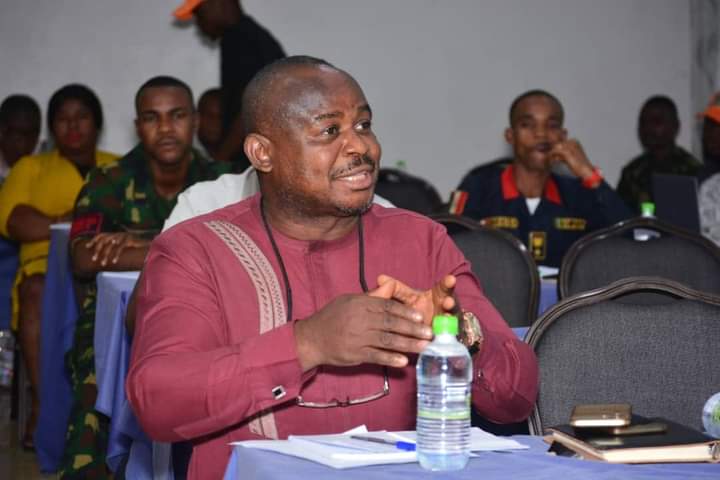

By Comrade Nelson Nnanna Nwafor


Introduction
Infrastructure is the lifeblood of socioeconomic development. Roads, healthcare facilities, schools, water systems, and power supply form the foundation upon which modern societies grow. In Abia State, a recurring challenge has been the uneven development between the state capital (Umuahia), major urban centers like Aba, and rural communities spread across the 17 local government areas. This imbalance has sparked renewed debate over the role of local government councils versus capital development authorities. There is an urgent need to strike a balance that promotes equitable development across all tiers and regions of the state.
The Current Landscape of Infrastructure Development in Abia State

Abia State, like many states in Nigeria, is grappling with issues of inadequate infrastructure due to years of underinvestment, mismanagement, and policy inconsistency. Urban areas like Aba have witnessed infrastructural improvements in recent years through targeted interventions. However, many rural areas remain underserved, with poor road networks, limited access to potable water, and dilapidated public facilities.





The Capital Development Authority, typically focused on planning and executing projects in the state capital, tends to channel resources into high-visibility infrastructure in urban areas. Meanwhile, the local government councils, constitutionally empowered to handle grassroots development, often lack the financial autonomy and capacity to drive meaningful projects.
Local Government Councils: The Neglected Engine of Grassroots Development


Local governments are closest to the people and best positioned to identify and address the specific infrastructural needs of communities. Unfortunately, in Abia State, these councils are frequently sidelined in strategic planning and underfunded in practice. State control over local government allocations and decision-making has eroded the autonomy of these councils, reducing them to administrative appendages rather than development partners.
This structural dysfunction not only stifles grassroots development but also breeds citizen apathy and distrust in governance. Without empowering local governments with adequate resources and oversight mechanisms, the state cannot achieve comprehensive or sustainable infrastructure development.
Capital Development Authorities: Focused but Often Isolated
The Capital Development Authorities in Abia State, particularly the Umuahia Capital Development Authority (UCDA), have made visible impacts in urban planning, beautification, and infrastructural renewal within the state capital. However, the problem arises when the existence and budgetary priority of these authorities come at the expense of wider state development.
There is a real risk of urban bias—where development is concentrated in the capital or select urban zones while rural areas remain neglected. This not only perpetuates regional inequality but also increases urban migration, putting further pressure on limited urban infrastructure.
The Need to Create the Balance
A well-balanced approach to infrastructure development in Abia State must incorporate the following strategies:
1. Decentralization and Empowerment of Local Councils:
Financial autonomy and legal backing should be provided to local governments to enable them to function as true development partners. State interference in council funds and project implementation should be curbed through legislative reforms.
2. Integrated Planning and Coordination:
Development plans should not be executed in silos. The state government must establish platforms where the Capital Development Authorities, Ministries, and Local Government Councils collaboratively design and implement infrastructure projects based on agreed priorities and needs assessments.
3. Equitable Budgetary Allocation:
Budget planning should include a formula that allocates funds equitably across the three senatorial zones and recognizes the unique infrastructural deficits of each local government area. Urban development should not swallow the lion’s share of capital budgets.
4. Community Engagement and Monitoring:
A bottom-up approach that involves traditional rulers, community-based organizations, and local residents in planning and monitoring projects can ensure relevance, transparency, and sustainability of infrastructure.
5. Capacity Building and Transparency:
Investment in training local council officials and enhancing their technical capacity to handle infrastructure development is crucial. Additionally, transparent procurement processes and audits must be institutionalized.
Conclusion
The pursuit of inclusive infrastructure development in Abia State must be driven by a deliberate attempt to harmonize the roles of the Capital Development Authorities and the Local Government Councils. Only by creating a balanced structure that respects grassroots autonomy while coordinating state-wide planning can Abia achieve equitable growth. Citizens deserve access to quality infrastructure—whether in the heart of Umuahia, the commercial hub of Aba, or the rural corners of Isuikwuato, Ukwa East, or Bende. The time to strike that balance is now.
From Comrade Nelson Nnanna Nwafor, Executive Director FENRAD Nigeria, Good Governance Campaigner and Human Rights Activist.
Tel: 08033383708, 07062949232.