
By Newspot Nigeria Editorial Desk


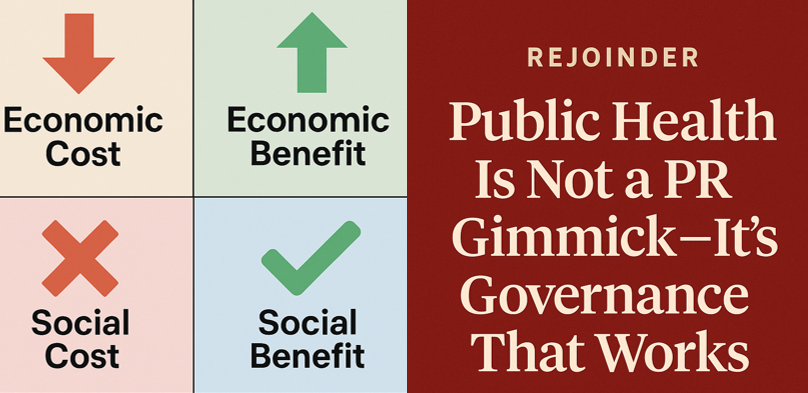
In Nigeria’s increasingly skeptical civic space, it has become fashionable to dismiss nearly every government announcement as political theatre. The recent roll-out of over five million insecticide-treated mosquito nets (ITNs) by the Oyo State Government is already facing such cynical pushback, brushed off by some as just another “publicity stunt” akin to phantom flyover projects.
But that comparison is deeply misplaced.
Unlike empty infrastructure promises that often amount to concrete for show and contracts for cronies, public health interventions like ITN distribution generate measurable, shared, and long-term value. These nets protect not just individuals, but entire communities, especially when used consistently. That’s the essence of a positive externality: benefits that go beyond the person directly involved.

Compare this with the phony flyovers that dot the Nigerian political landscape—structures hurriedly announced near elections, poorly executed, or outright abandoned. These projects often deliver private gain to a few while creating public debt for all. The net result? Little to no utility, but plenty of fanfare.





Public health doesn’t work that way.
📊 Economic Cost Comparison
| Intervention | Average Cost Per Unit | Average Reach | Maintenance/Upkeep | Transparency Risk | Example |
|---|---|---|---|---|---|
| Insecticide-Treated Nets (ITNs) | ₦3,000 | 1 household (4 people) | None | Low (digitally tracked) | Oyo’s 5M net campaign |
| Flyover Project | ₦4 billion+ | Localized users | High | High (contract inflation, abandonment) | Unused flyovers in several states |
🌍 Externality Impact Scale
| Category | Direct Benefit | Positive Externalities | Negative Externalities | Net Societal Value |
|---|---|---|---|---|
| ITNs | Fewer malaria cases | Community-wide protection | Minimal (if misused) | ✅ High |
| Flyovers | Local congestion relief | Land speculation | Overspending, displacement | ⚠️ Low |
💰 Cost-Benefit Ratio (Estimated Returns)
| Intervention | Estimated ROI | Time to Payback | Evidence Base |
|---|---|---|---|
| ITN Distribution | ₦36 return for every ₦1 | 6–12 months | WHO, academic studies |
| Flyovers | Often <₦1 per ₦1 | 5+ years (if at all) | Common across Nigeria |
👶🏽 Human Impact Metrics
| Metric | ITNs | Flyovers |
|---|---|---|
| Child deaths prevented | 5–10 per 1,000 households | 0 |
| School days saved | 50–100 annually | None |
| Cost per DALY averted | ₦3,000–₦5,000 | N/A |
| Public trust gain | ✅ Yes | ❌ Often eroded |
🏁 Summary Scorecard
| Factor | ITNs | Flyovers |
|---|---|---|
| Lifesaving potential | ✅ High | ❌ Low |
| Corruption risk | ✅ Low | ❌ High |
| PR optics | ✅ Medium | ✅ High |
| Long-term value | ✅ Sustained | ⚠️ Uncertain |
| Maintenance burden | ✅ None | ❌ High |
🧭 A Global Parallel
Take a moment to reflect on how developed countries treat public health campaigns. In the United States, the UK, and across Europe, massive resources are dedicated annually to promoting flu vaccinations, COVID-19 boosters, and other disease prevention efforts. These aren’t quiet endeavors. Entire cities are blanketed with billboards, radio spots, SMS reminders, and press briefings. The logic is simple: health interventions only work when people know, trust, and participate in them.


In 2021, during the height of the pandemic, U.S. states offered incentives from free meals to lottery tickets, not because vaccines were ineffective, but because public behavior matters. A vaccinated or net-covered household reduces disease risk for everyone. That’s public health science, not spin.
So when the Oyo State Government flags off a mass mosquito net campaign—and warns against misuse or diversion—it isn’t seeking applause. It’s inviting public cooperation. It’s creating awareness. It’s doing what governments are supposed to do: protect lives with the tools that work.
Let’s not confuse visibility with vanity. Not all announcements are created equal.
Some, like the endless flyover ceremonies, are loud but hollow—meant to impress, not impact. Others, like health campaigns, are loud because they must be—meant to inform, engage, and ultimately, save lives.
To mock the former is activism.
To mock the latter is ignorance.
If we truly desire governance that serves the people, we must learn to recognize substance when we see it, not sneer reflexively at every act of public accountability. Health announcements are not distractions—they are declarations of intent. And they deserve scrutiny, yes—but also seriousness.
Because in the battle between a net and a virus, silence kills.
And in the long run, a well-used mosquito net may save more lives than a politically convenient flyover ever will.
For more evidence-based commentary on governance, public health, and accountability, stay with Newspot Nigeria.