By Newspot Nigeria Editorial Desk
A quiet shift is happening in how political campaigns are run—not in the big-name presidential races, but at the grassroots. From school boards in the U.S. to state assembly races, candidates are beginning to rely on Artificial Intelligence (AI) to run better, cheaper, and smarter campaigns. This trend may seem distant to Nigerians, but it holds real lessons—and risks—for how we conduct our own local elections.
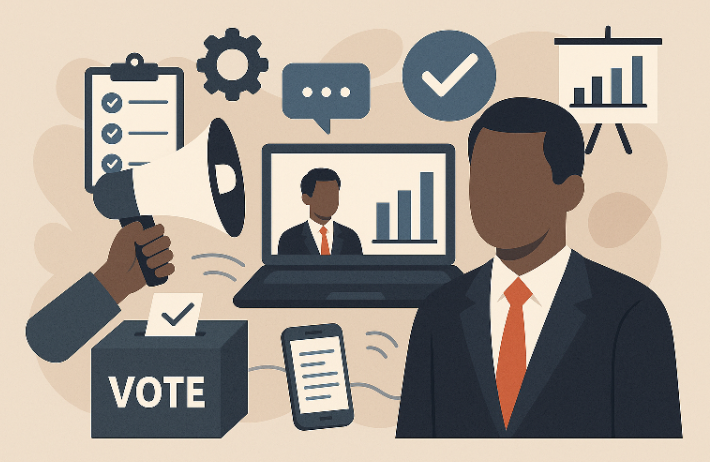
A recent report by Campaigns & Elections laid it out clearly: consultants in the U.S. are now using AI to support smaller campaigns that previously couldn’t afford professional help. Tasks like designing flyers, writing speeches, targeting voters, and even producing campaign videos are now being handled by AI tools—some of which are faster and more cost-effective than hiring full campaign teams.
This has opened doors for first-time candidates with limited funds to access services that were once reserved for well-funded contenders. In effect, AI is making local politics more professional.

In Nigeria, where many councillorship or state assembly aspirants run their campaigns from living rooms, church meetings, or family savings, the potential of such technology is clear. If used well, AI tools can help a young candidate draft a manifesto, generate community-specific campaign messages, or even translate outreach materials into local languages.




But this isn’t just a story about opportunity. It’s also about caution.
The same tools that help produce quick campaign content can also be used to spread false information, fake images, or impersonated voices. In Nigeria’s already fragile electoral environment, where rumours spread like wildfire and trust is hard-earned, this could cause real damage. Down-ballot races rarely attract the kind of media scrutiny that stops these things in their tracks. So, a digitally altered video or AI-written smear campaign could circulate unchecked, hurting reputations and distorting the truth.


The solution isn’t to ban AI from politics. That would be shortsighted. The solution is to train, regulate, and prepare. Political parties in Nigeria, campaign advisors, and even INEC must begin to understand the tools that are coming—and draw clear boundaries on what is acceptable and what isn’t.
Civic groups and media platforms also have a role to play. Fact-checking must extend beyond the presidential space and touch even ward councillorship contests. If AI is making campaign tools cheaper, it must also make oversight stronger.
In the U.S., consultants are already testing AI on smaller races before deploying it in major ones. A similar strategy could work here, where campaign teams use digital tools to improve local outreach, measure voter interest, and respond to real-time concerns. But human judgment must remain central. Technology can assist, but it must never replace personal accountability or honest engagement with voters.
Nigeria doesn’t need to chase every global trend blindly. But when a tool helps the underdog speak louder or gives the community better access to what candidates truly stand for, it’s worth watching.
As the 2027 elections approach, and as new voices continue to rise from local communities, one thing is certain: how you campaign will matter just as much as what you stand for.
This editorial was produced by the Newspot Nigeria Editorial Desk as part of our ongoing coverage of political developments and technology’s impact on governance.