

By Newspot Nigeria Editorial Desk


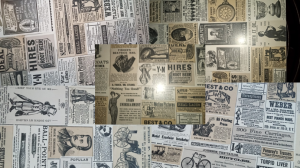
If you ever needed proof that marketing has always been part science, part illusion, look no further than the mesmerising world of vintage advertising. In a single glance at these relics of the past—from ball-pointed pens and motion picture theatres to “Ozone Paper” and liver treatments—you enter a marketplace not just of goods, but of ideas, dreams, and sheer human hope.
The collection displayed in these prints is more than nostalgic wallpaper. It is history etched in fonts and flourishes, a parade of persuasive appeals from an age when medicine, fashion, and technology danced on the edge of discovery and deception.
Take, for example, the ad for “Thurston’s Cushions”, promising relief for asthma, bronchitis, and consumption. We now know these were often nothing more than placebo-laced products peddled with pseudoscience. Yet back then, hope was sold in powder, pill, and puff. People didn’t just buy products—they bought survival.

Or consider the ad boasting “Ball-Pointed Pens by Appointment to the Prince of Wales”, a reminder that branding was already rooted in elitism and trust-by-association. Your pen wasn’t just a tool—it was a mark of status.






Then there’s the oddly earnest call: “Keep Your Eye On Me… And Notice My Character!” paired with caricatures meant to warn buyers against frauds or perhaps highlight a brand’s moral uprightness. Today’s branding may have moved to Instagram, but the moral signaling started here.
And what about the Union Undergarment ad? “If you doubt us, we keep them,” it says confidently—no return needed. Compare this to today’s 30-day free trial culture, and you realize some marketing tropes never died; they just got more polite.


Also jumping off the page is the “IT PAYS BIG – Motion Pictures” flyer—an invitation to invest in the early silver screen, long before the likes of Netflix or Nollywood. This was where cinematic imagination began. With promises of “free test theatres,” it was showbiz democracy at work.
Yet, not all of it was charming. Embedded in some of the ads are the casual biases of the era—gender roles reinforced, pseudoscience peddled, and medical misinformation spread in the name of innovation. The push for torpid liver remedies, facial blemish removers, and cures for spinal curvature reveal how deeply personal insecurities were monetized—just as they are today, albeit with modern polish and influencer tags.
Still, perhaps the most striking theme across all these ads is ambition. From bicycles that promised freedom to Anchor Stone Building Blocks that offered children the ability to recreate palaces and castles, everything was sold with a vision: of a better life, of greater status, of self-improvement.
These dusty illustrations tell us more than what people bought. They reveal what they believed in.
In an era of deepfakes, algorithmic targeting, and digital clutter, these vintage ads are refreshingly transparent in their salesmanship. They didn’t hide behind lifestyle photography or SEO—they yelled, persuaded, and delighted. And they made people believe.
So, as we scroll through the slick, soulless banners of our time, maybe we could use a little of that old-school honesty: a simple bold typeface, a direct message, and the gumption to say, “Here’s what we’re selling, and why you need it.”
History isn’t just in museums. Sometimes, it’s printed in black and white—waiting for us to read between the lines.