
By the Editorial Board, Newspot Nigeria


Nigeria is grieving again. The recent killings in Benue State have left communities devastated, families shattered, and trust in government shaken. As the nation seeks healing, the urgency of protection, justice, and leadership cannot be overstated.
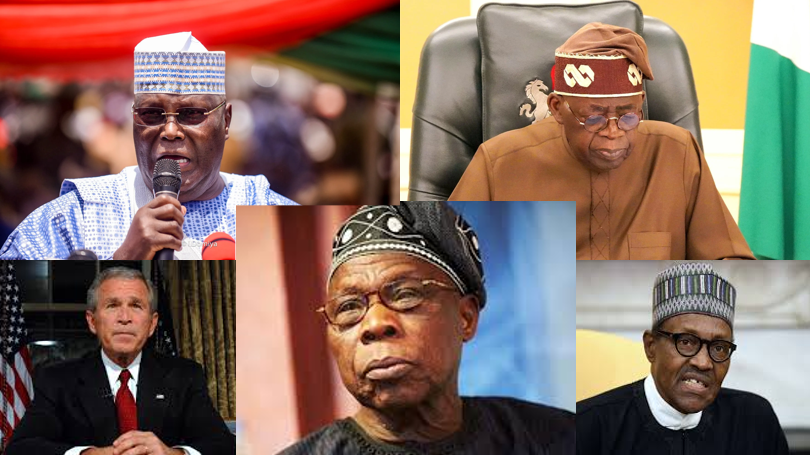
Yet, in this moment of collective pain, the loudest voices are not necessarily the most helpful. In the past few days, President Bola Ahmed Tinubu has faced waves of criticism—some fair, others politically charged. From former Vice President Atiku Abubakar to religious groups like the Apostolic Round Table (ART), strong words have been hurled at the President for what they see as a delayed and insufficient response to the Benue tragedy.
Frankly speaking, the President’s initial statement, calling for the arrest of “perpetrators on all sides,” left many feeling uneasy. The choice of words blurred the line between attacker and victim. But that alone does not define leadership.

Leadership is not the absence of mistakes—it is the ability to rise from them.





President Tinubu has now cancelled a scheduled trip to Kaduna and redirected his attention to Benue. He deployed key security officials to the region and announced a personal visit to the state on Wednesday, June 18. These are not signs of indifference; they are steps of engagement.
But where are the voices calling for unity? Why haven’t former leaders like Atiku offered to accompany the President on this crucial visit? Why haven’t faith leaders extended olive branches to collaborate instead of condemn?


If the goal is truly justice—and not 2027 campaign posturing—then this is the moment to show national character, not political choreography.
History offers clear lessons.
In the United States, President George W. Bush deeply regretted the optics of flying over New Orleans during Hurricane Katrina in 2005 rather than landing to meet survivors. In his memoir Decision Points, he called it the lowest point of his presidency, writing, “The photo of me hovering over the damage suggested I was detached… it wasn’t how I felt, but once the impression formed, I couldn’t change it.”
Back home in Nigeria, President Muhammadu Buhari faced a similar backlash in 2018 when he delayed visiting Zamfara State, where dozens of villagers had been massacred by bandits. He eventually condemned the killings and ordered security deployments, but his late action was seen by many as indifference.
And in 2002, when deadly explosions rocked the Ikeja Cantonment in Lagos, President Olusegun Obasanjo was advised to flee amid fears of a coup. Instead, he stayed. He toured the site the next day and showed up for the victims, despite a loaded schedule. He later continued his trip to Katsina but only after displaying empathy where it was needed most.
These stories show us something simple but powerful: Leaders must show up. Even when they can’t change what happened, their presence means everything.
So yes, Tinubu’s first words could have been stronger. But he has since pivoted, and now that he is stepping into Benue, let this not be a moment for opposition fireworks—but a chance to rally around one cause: the protection of human lives.
Benue does not need another open letter. It needs peace. And peace begins when all leaders—past and present—unite in empathy and resolve, not rivalry and press releases.
To those who have held power before: if you care, then show up. Not in words, but in presence.
Because when history looks back, it won’t ask who tweeted the harshest—it will ask who stood for the people when it mattered.
Newspot Nigeria will continue to track this story, amplify the voices of the affected, and hold all sides to account—not just in crisis, but always.