By Newspot Nigeria Editorial Board
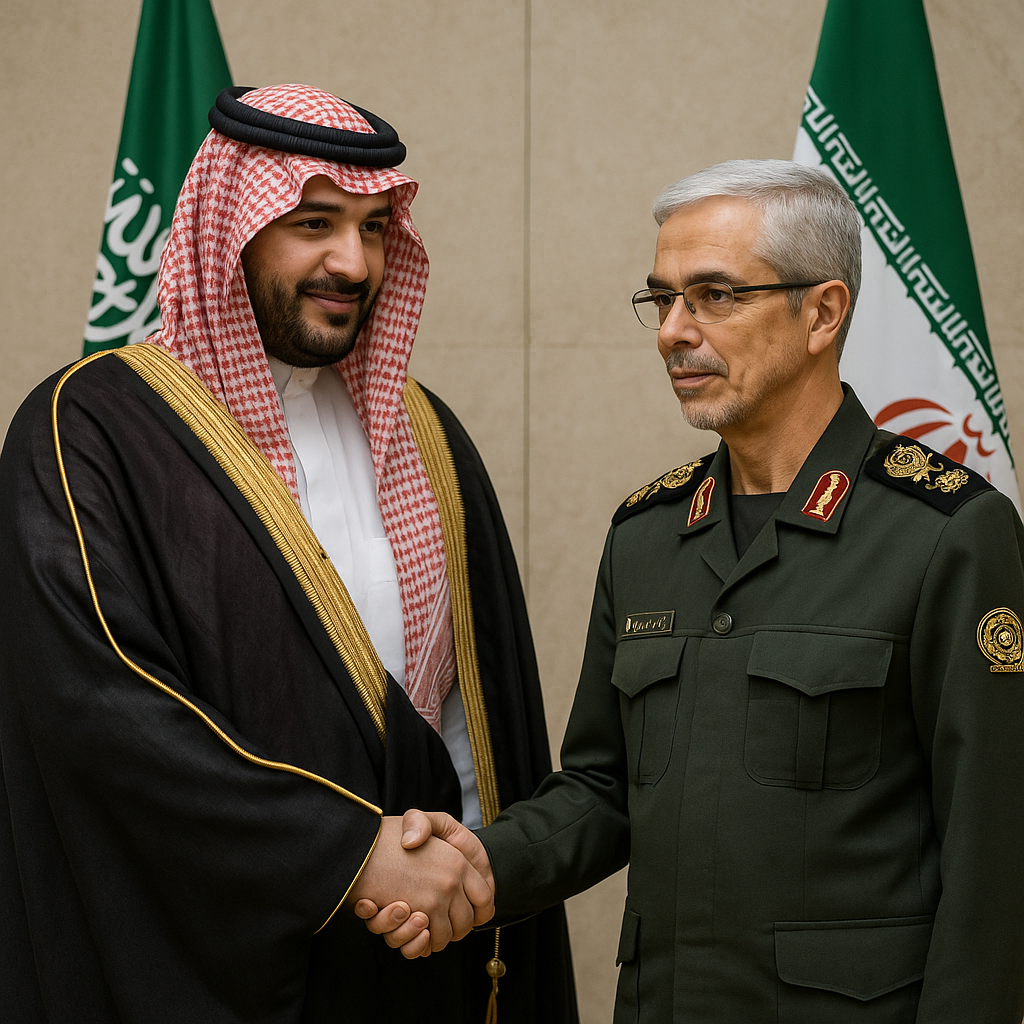
The sands of Middle Eastern geopolitics are shifting once again—and this time, the axis of change doesn’t revolve around Israel, Iran, or even the United States alone. Rather, it hinges on the surprising emergence of an “Arabian Axis,” a new coalition of Gulf states reshaping regional dynamics through diplomacy, strategic balancing, and economic pragmatism.
U.S. President Donald Trump’s recent visit to the region, marked by bilateral ceasefires and a diplomatic pivot away from Israel’s hardline preferences, may have confounded many observers. Yet it confirms a truth that’s been developing quietly since the aftermath of Hamas’s October 7, 2023, attack: the Arab Gulf is no longer content playing the role of junior partner in a U.S.-Israel-led bloc. Instead, Saudi Arabia, the UAE, Qatar, and Oman have grown into confident middle powers willing to mediate, recalibrate, and even defy old alliances to prevent the flames of war from consuming their oil-rich backyards.
Indeed, the Gulf states’ support for a new U.S.-Iran nuclear deal—once unthinkable—highlights their growing maturity in foreign policy. In contrast to the maximalist military approach long championed by Israeli leadership, the Gulf monarchies now favor strategic engagement with Iran. It’s not that they have forgotten Tehran’s aggressive past; rather, they’ve pragmatically calculated that war, not diplomacy, would do greater harm to their economic stability and developmental ambitions. In their view, an empowered Israel, unchecked by any counterweight, could prove just as destabilizing as an emboldened Iran.
This new regional order is not being imposed from Washington or Tehran, but is emerging organically from Riyadh, Abu Dhabi, and Doha—capitals once viewed merely as financial hubs or passive U.S. allies. The Gulf’s alignment with Trump’s renewed diplomatic overtures toward Iran, and its behind-the-scenes influence in shaping a nuclear framework, marks a tectonic shift. These states are not just brokering deals; they are reshaping the very framework within which deals are conceived.





Still, there are risks. If the nuclear talks collapse, and the United States reverts to saber-rattling, the Gulf states may find themselves trapped between an aggressive Israel and a desperate Iran. Worse, without a durable peace in Gaza and a meaningful political future for Palestinians, normalization with Israel—once seen as a pathway to regional unity—will continue to stall. For Saudi Arabia and its neighbors, the endgame is not choosing between Iran and Israel, but creating a regional balance that denies hegemony to either and anchors the Middle East in a new era of stability.
In this vision, the Gulf is not merely a theater of foreign conflict; it is the fulcrum upon which the next Middle East will turn. Whether the United States is willing to formalize this axis through strategic partnerships and a credible diplomatic framework remains to be seen. But one thing is certain: the balance of power in the Middle East has changed—and it’s tilting toward the Arabian Peninsula.


As the world watches this evolving realignment, Newspot Nigeria will continue to follow the implications for global diplomacy and regional peace, with eyes wide open from Abuja to Riyadh.
Published by Newspot Nigeria – Bridging Global Affairs with African Perspectives.