

By Newspot Nigeria Global Desk


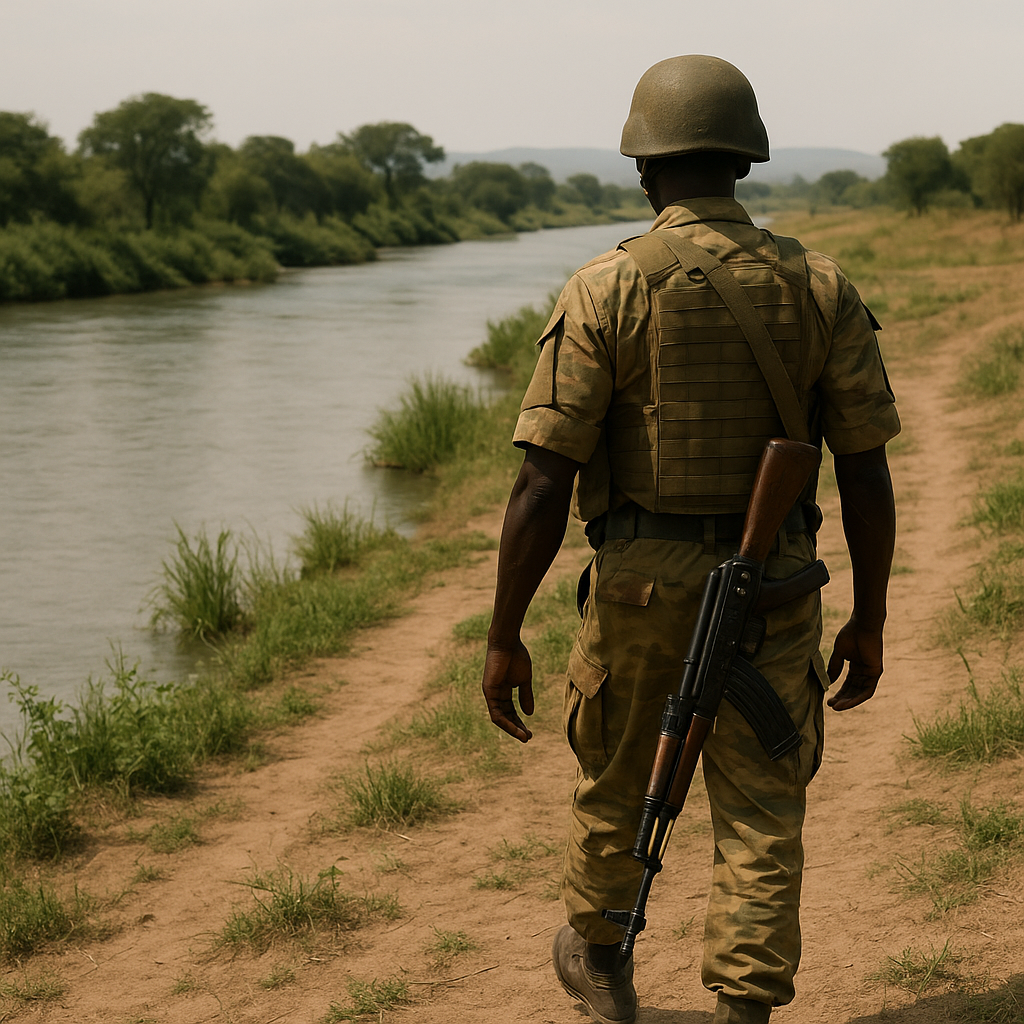
The Sahel region is facing an alarming surge in jihadist violence that is now threatening to spill over into coastal West African nations. In recent weeks, deadly attacks have intensified across Mali, Burkina Faso, and Niger, leaving hundreds of soldiers dead and raising serious concerns about the ability of military regimes in the region to contain the crisis.
Armed groups affiliated with Al-Qaeda (JNIM) and the Islamic State in the Sahel (EIS) have launched sophisticated raids—some even in major urban areas—putting the fragile governments of the Alliance of Sahel States (AES) on edge. The AES, a confederation formed by the military juntas of Mali, Burkina Faso, and Niger, had pledged to prioritize security after seizing power in a series of coups from 2020 to 2023.
However, the security outlook is grim. Analysts say jihadist groups are exploiting both ethnic tensions and growing mistrust in state forces. Notably, both JNIM and EIS have been accused of capitalizing on grievances among the Fulani ethnic group—often targeted by national forces—to boost recruitment and expand influence.

“There’s now a dangerous ideological and ethnic dimension,” warned Lassina Diarra of the International Counter-Terrorism Academy in Ivory Coast. Jihadist leaders have reportedly framed their renewed offensives as a defense of Fulani communities, heightening the conflict’s complexity.





In Burkina Faso and Mali, jihadist forces have effectively “surrounded” the capitals, according to security analysts. Although it remains unclear if these groups can govern cities, their ability to occupy and destabilize is no longer in doubt.
A growing rivalry between JNIM and EIS is also fueling the violence, with both factions competing for territorial dominance. While EIS pursues a global jihadist vision anchored in brutal enforcement of sharia law, JNIM is seen as more politically strategic—though no less dangerous.


Adding to the concern is the tactical use of drones by armed groups, a relatively new development that has significantly diminished the military edge of AES forces.
Internally, these regimes face challenges beyond the battlefield. Economic hardship, isolation from Western support, and strained relations with ECOWAS have hampered efforts to mobilize troops and pay salaries. A 5,000-strong joint force announced earlier this year by the AES has shown limited success amid heavy losses.
The violence is already creeping into neighboring states. Togo and Benin, which border Sahelian countries, have been victims of sporadic jihadist incursions. Diplomatic relations are strained, particularly between Benin and its neighbors, following accusations that Benin harbors jihadist bases—claims it firmly denies.
Senegal is also on high alert. Prime Minister Ousmane Sonko, during a recent visit to Burkina Faso, warned it was “illusory” to believe jihadist violence would stay confined to the Sahel.
As the region grapples with a lethal mix of armed insurgency, poor governance, ethnic tension, misinformation, and demographic pressures, the prospect of a broader regional collapse looms larger than ever.
For ongoing updates on regional security and West African affairs, stay connected with Newspot Nigeria.