
By Newspot Nigeria Editorial Board

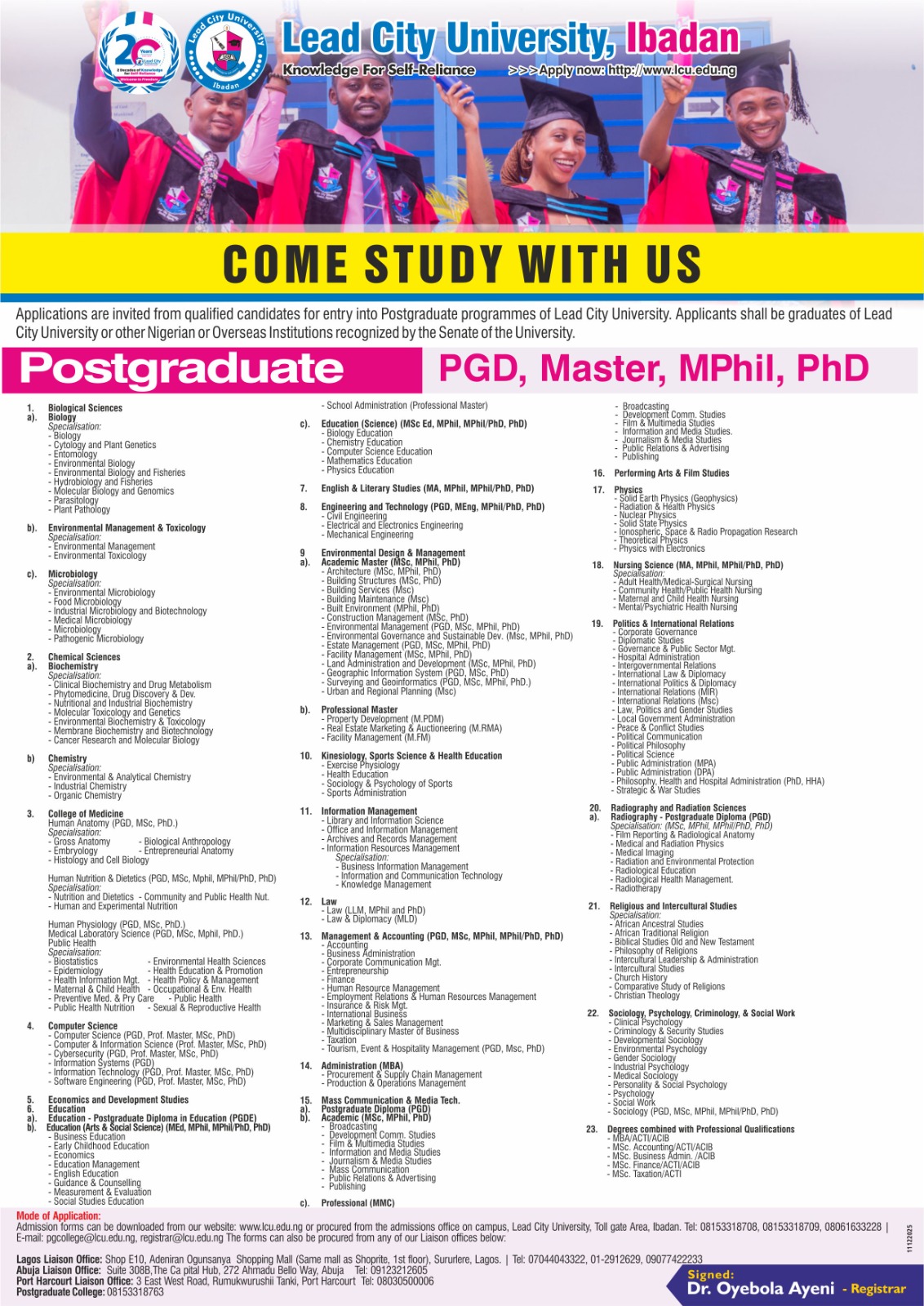
When people think of the HIV/AIDS crisis in Nigeria, they often think of stigma, funding shortages, or access to antiretrovirals. But increasingly, there’s a dangerous, silent co-driver of this health emergency: drug and substance abuse.
The numbers do not lie—and they are terrifying.
A 2022 cross-sectional study published in the Journal of International Medical Research revealed that nearly half (45.7%) of university students in four southwestern Nigerian universities reported using drugs or other harmful substances. Shockingly, many of them were well aware of the health risks. Alcohol, cigarettes, tramadol, and codeine-containing syrups ranked among the most abused—often used to numb emotional pain, forget life’s problems, or just “get high.”

Now, imagine layering this on top of an HIV epidemic that already affects over 1.8 million Nigerians—the fourth-largest burden globally.




To make matters worse, recent U.S. funding cuts under President Donald Trump’s administration have left critical HIV programs gasping for air. From PEPFAR-funded one-stop clinics to community health testing, services have been paused, clinics closed, and health workers given “stop-work” orders. Communities most at risk—especially young people and key populations—are losing vital support systems.
Despite some temporary waivers and the Nigerian government’s emergency allocation of ₦4.8 billion to procure HIV treatment packs, experts like Ejike Orji and Ndeayo Iwot warn: this is not sustainable. With just 4% of Nigeria’s annual budget going to health, we are light-years away from the 15% target we promised ourselves in the 2001 Abuja Declaration.


So, what does drug abuse have to do with all this?
Everything.
Multiple studies—including a scoping review led by Jatau et al. (2021)—have shown that opioid and psychotropic substance abuse is a major co-factor in Nigeria’s public health breakdown. Opioid misuse in particular leads to risky sexual behaviors, needle sharing, mental health issues, and—most critically—reduced adherence to HIV treatment regimens.
When young people use drugs to cope with depression, poverty, or peer pressure, they become vulnerable to infections like HIV. And once infected, substance abuse makes treatment harder to sustain. With U.S. support dwindling and local systems struggling to fill the gap, we risk sliding back into the darkest days of the AIDS epidemic.
Nigeria must stop seeing drug abuse and HIV as separate crises. They are deeply interconnected. We cannot fight one without fighting the other.
It is time to go beyond arrests and NDLEA raids. We need:
- Community-based rehabilitation programs that treat both addiction and HIV.
- Youth-centered mental health interventions in schools and universities.
- Updated drug laws and enforcement that target illegal access points—like open drug markets and unregulated pharmacies.
- And most importantly, we need a public health approach, not just a law enforcement one.
The rise in tramadol and codeine misuse, as documented in recent studies, signals a cultural shift we cannot ignore. These are not just “junkies” on the streets—these are our children in classrooms, our drivers on highways, and our youth trapped between unemployment and despair.
If we continue to treat HIV in isolation, while ignoring the role of substance abuse, we will not win this war. And with international funding no longer guaranteed, Nigeria must take the lead in crafting solutions.
The clock is ticking.
We owe it to ourselves, our youth, and our future to act—decisively, compassionately, and urgently.
—
📰 This editorial is brought to you by Newspot Nigeria, where public health meets honest journalism.