By Newspot Nigeria Global Desk
As Nigeria navigates the complexities of economic recovery, industrial revival, and trade integration under AfCFTA, one thing must guide our decisions above all else: Nigeria First.
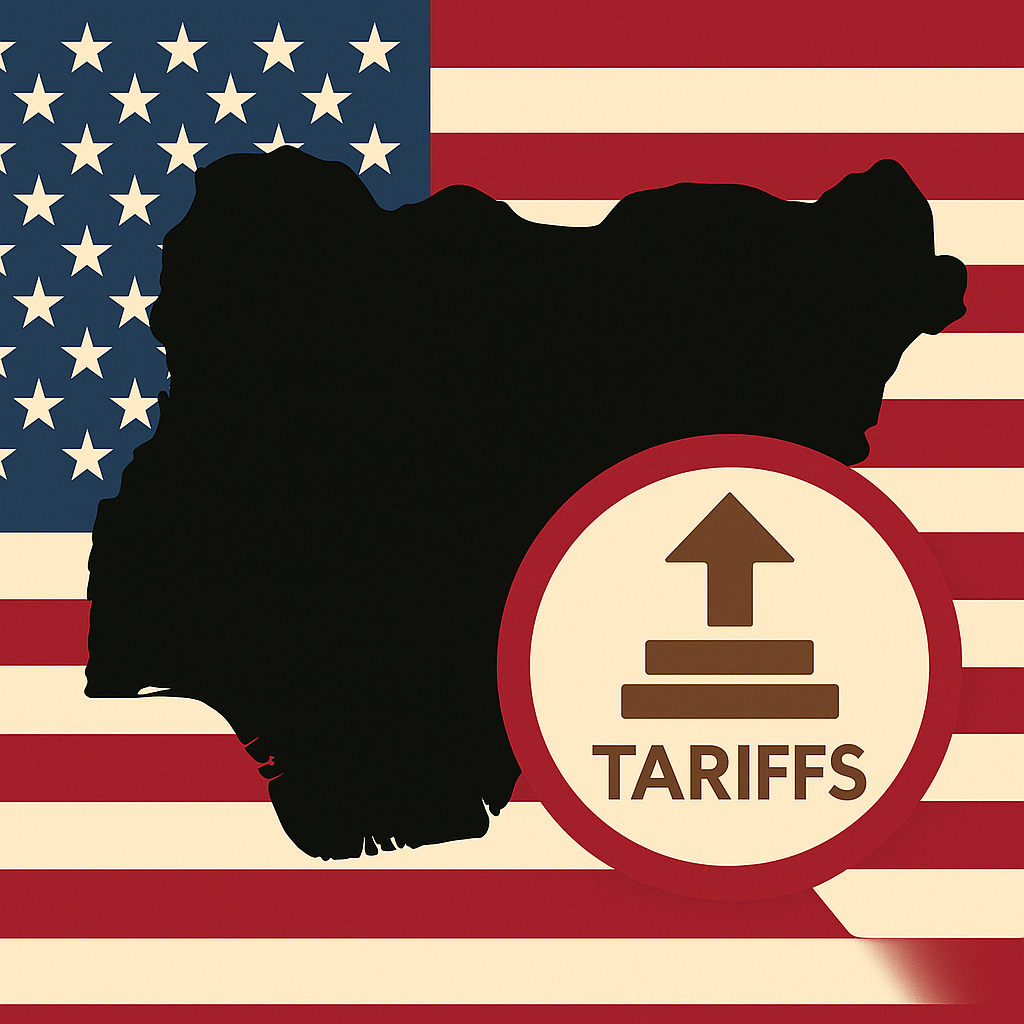
Tariffs are more than taxes—they are instruments of economic sovereignty. And in the May 2025 issue of Imprimis, John Steele Gordon provides a compelling historical account of how the United States used tariffs to protect national interests, finance growth, and unify (or divide) its regions. For Nigeria, his insights should not be admired from afar but translated into bold policy grounded in our unique context.
For too long, Nigeria has imposed or removed tariffs based on International Monetary Fund suggestions, donor pressures, or elite interests. The time has come to shift that paradigm. Our tariff policy must now answer a single question: Does it serve the Nigerian people first?
In the early U.S., tariffs built the foundations of industry. Hamilton’s tariff regime paid off debt and secured America’s creditworthiness. During the Civil War, tariffs sustained the treasury and gave birth to industrial expansion. Nigeria, facing massive infrastructure deficits and ballooning debts, needs this same level of strategic discipline. If our tariffs are not growing Nigerian industries or expanding jobs, then they’re just taxes on survival.





A Nigeria First tariff policy should mean:
✅ Protection for Nigerian manufacturers in sectors like solar assembly, textiles, agro-processing, and pharmaceuticals—but not forever.
✅ Tariff holidays for key imports that support power generation, critical machinery, and manufacturing inputs—with clear timelines.
✅ No more blanket waivers for cronies or politically connected firms—we protect productivity, not privilege.
✅ Customs reform to kill smuggling, which undermines honest producers and drains revenue.


Let’s not repeat America’s worst mistake—the 1930 Smoot-Hawley Tariff—that protected industries but collapsed global trade and deepened the Great Depression. Protection without planning is a recipe for recession. Nigeria must protect wisely and produce competitively.
John Steele Gordon also explains how U.S. differential tariffs helped rebuild Europe and Asia post-WWII. That made sense in 1947. But today, America still gives better terms to Europe and China than it gets. That’s a warning for us. Nigeria must not enter into trade deals—regional or global—that give away our future. If the rules don’t benefit Nigerian youth, entrepreneurs, and workers, we must walk away.
The United States eventually pivoted from protectionism to global leadership in trade through the General Agreement on Tariffs and Trade (GATT) and the World Trade Organization. That lifted billions out of poverty worldwide. Nigeria can pursue trade openness, but only on our terms. With AfCFTA now in effect, we must lead from a position of strength—not naïveté. A Nigeria First policy means exporting our goods, not just importing other people’s prosperity.
Critics may call it nationalism. But if Germany can protect its car industry, if America can demand fair trade with China, then Nigeria can—and must—do the same. Not to isolate ourselves, but to build a nation strong enough to compete.
So here’s the bottom line: We cannot industrialize with imported policy. We cannot build a self-reliant economy with donor-dependent ideas. We cannot grow wealth for the many by favoring the few.
Let the tariffs rise where they must, fall where they should—but let every decision reflect this singular principle:
Nigeria First. Always.
— Newspot Nigeria
Where Nigeria’s Voice Speaks for Nigeria’s Future.