

By Newspot Nigeria Staff Writer
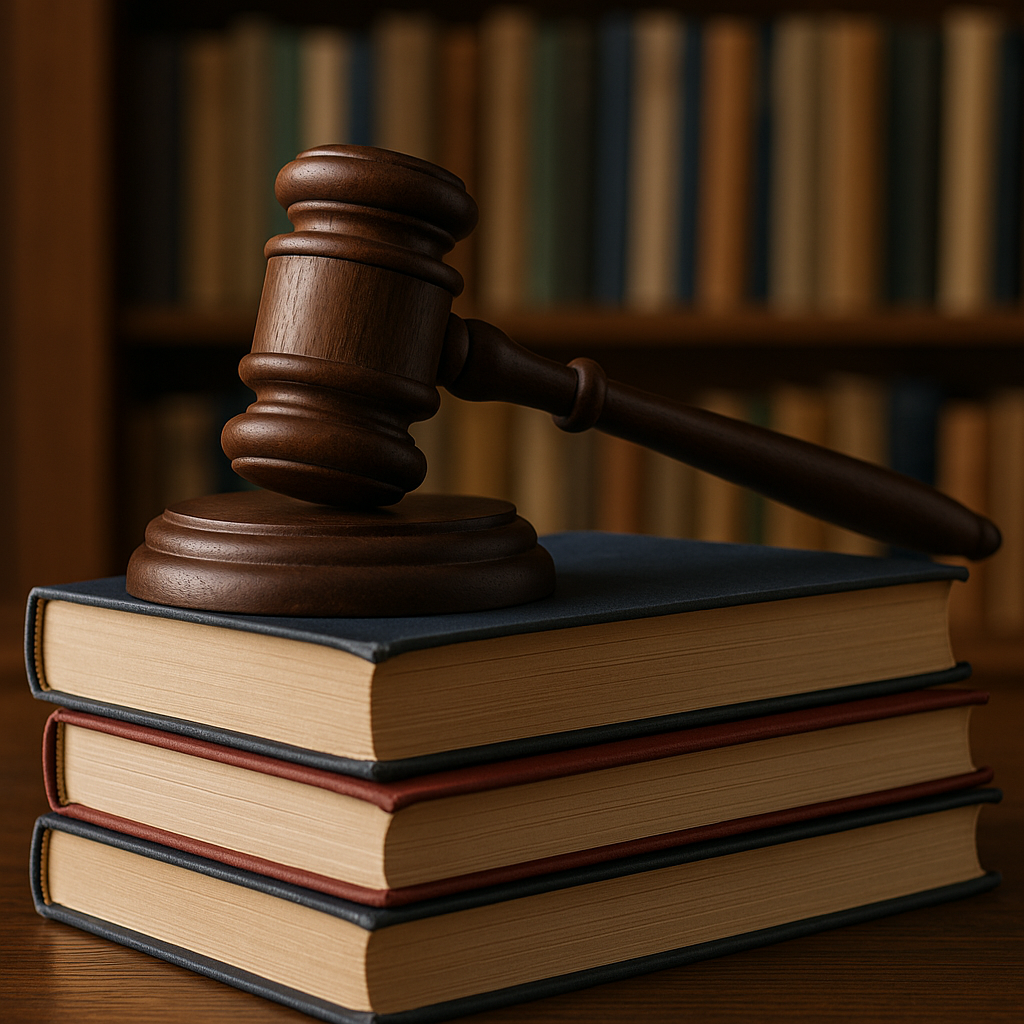
In a decision that is sending shockwaves through free speech and education circles across the United States, the U.S. Fifth Circuit Court of Appeals has ruled that public libraries can legally remove books from their shelves based on content—declaring such decisions a form of “government speech.”
The ruling, delivered Friday, stems from a lawsuit in Llano County, Texas, where 17 books were removed from library collections due to objections over their themes. While a lower court initially ruled that eight of those books should be returned, the appeals court overturned that decision.
Circuit Judge Stuart Kyle Duncan, writing for the majority, emphasized that the U.S. Constitution’s First Amendment does not create a broad right to access information from government sources such as libraries.

“Yes, Supreme Court precedent sometimes protects one’s right to receive someone else’s speech. But plaintiffs would transform that precedent into a brave new right to receive information from the government in the form of taxpayer-funded library books. The First Amendment acknowledges no such right,” Duncan stated.
The court’s position reframes library book curation as a form of government expression, asserting that libraries have long made decisions based on evolving ideas of what constitutes “worthwhile literature.”





“From the moment they emerged in the mid-19th century, public libraries have shaped their collections to present what they held to be worthwhile literature… Libraries curate their collections for expressive purposes. Their collection decisions are therefore government speech,” the court said.
Katherine P. Chiarello, attorney for the plaintiffs, expressed disappointment, suggesting the court had “dramatically expanded the scope of the government speech doctrine” and undermined long-standing First Amendment protections.
Critics argue the ruling sets a dangerous precedent, potentially allowing political interests to dictate public access to diverse ideas. The court, however, dismissed such concerns, characterizing the plaintiffs’ arguments as “unusually over-caffeinated” and likening fears of censorship to exaggerated claims of book burning.


The plaintiffs may still appeal the decision to the U.S. Supreme Court.
As debates over book bans and intellectual freedom intensify across the U.S., this ruling could have ripple effects nationwide—and may influence conversations in other democracies grappling with similar issues of censorship and state control over information.
This report is published by Newspot Nigeria, your trusted source for independent, global news and analysis from an African perspective.