


By Newspot Nigeria Global Desk


A growing wave of Canadian “snowbirds” — retirees and long-term visitors who typically escape harsh winters by migrating to the U.S. — are reversing course and selling off their American vacation homes. Once loyal patrons of the warm climates in Florida, Arizona, and other southern states, these foreign homeowners are increasingly staying north, citing a perfect storm of economic pressures, political tensions, and rising U.S. housing costs.
🔻 Why the Sudden Shift?
At the heart of the exodus is the weaker Canadian dollar, which hit a 22-year low earlier this year, reducing the purchasing power of Canadians earning in CAD but spending in USD. Even as the loonie recovered slightly in April, uncertainty remains, making many snowbirds reconsider whether cross-border living is still worth it.

Former Prime Minister Justin Trudeau has subtly nudged citizens to support domestic tourism instead, calling on Canadians to “stay here in Canada and explore” local attractions rather than fueling another country’s economy.





📈 U.S. Housing Costs Becoming Unsustainable
The median U.S. home price climbed to $416,900 in early 2025, nearly $100,000 higher than five years ago. Ownership costs have also ballooned, with Arizona’s homeowners’ insurance premiums up by 48% since 2021 and Florida’s average premium reaching $789 monthly — the highest in the nation. These staggering costs are forcing foreign owners to rethink their investments.


One Canadian couple told The Wall Street Journal they sold their Florida property for a $100,000 profit after holding it for six years — a sign that many are choosing to exit while they still can.
🛃 Politics Also to Blame
Beyond economics, many Canadians are uneasy with the current U.S. administration’s trade policies, including a 25% tariff on Canadian goods. Combined with growing domestic political strife, this has created a sense of alienation. Flights from Canada to the U.S. are reportedly down 70% compared to last year, reflecting broader hesitation to visit.
🛑 What This Means for the U.S. Economy
Canadians are historically the top foreign buyers of U.S. real estate, especially vacation homes. According to the National Association of Realtors, nearly half of the homes they buy are in Florida, Arizona, or Hawaii. Their withdrawal could disrupt local economies that depend on seasonal tourism and real estate activity.
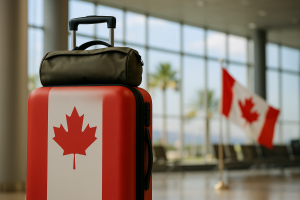
With over 20 million Canadian visitors to the U.S. in 2024, even a 10% drop in travel could result in $2.1 billion in lost revenue and potentially cost 14,000 American jobs. Real estate markets in snowbird-heavy states may also experience a glut in inventory — but that doesn’t necessarily translate to affordability for Americans, many of whom are grappling with stagnant wages and rising inflation.
💼 Implications for Retirees and Investors
This foreign flight could further rattle financial markets, especially with an aging American population already facing uncertain retirement futures. Dips in travel, housing demand, and consumer confidence could pressure stock performance and prompt older adults to claim Social Security earlier than planned, locking them into permanently reduced benefits.
📉 The Bigger Picture
The flight of Canadian snowbirds underscores a broader economic unease gripping both sides of the border. As once-reliable travel and housing patterns shift, Americans must prepare for secondary effects — from reduced local spending to greater market volatility.
📢 Stay tuned to Newspot Nigeria for more insights on how international trends continue to reshape economies, real estate, and investment behavior across the globe.