
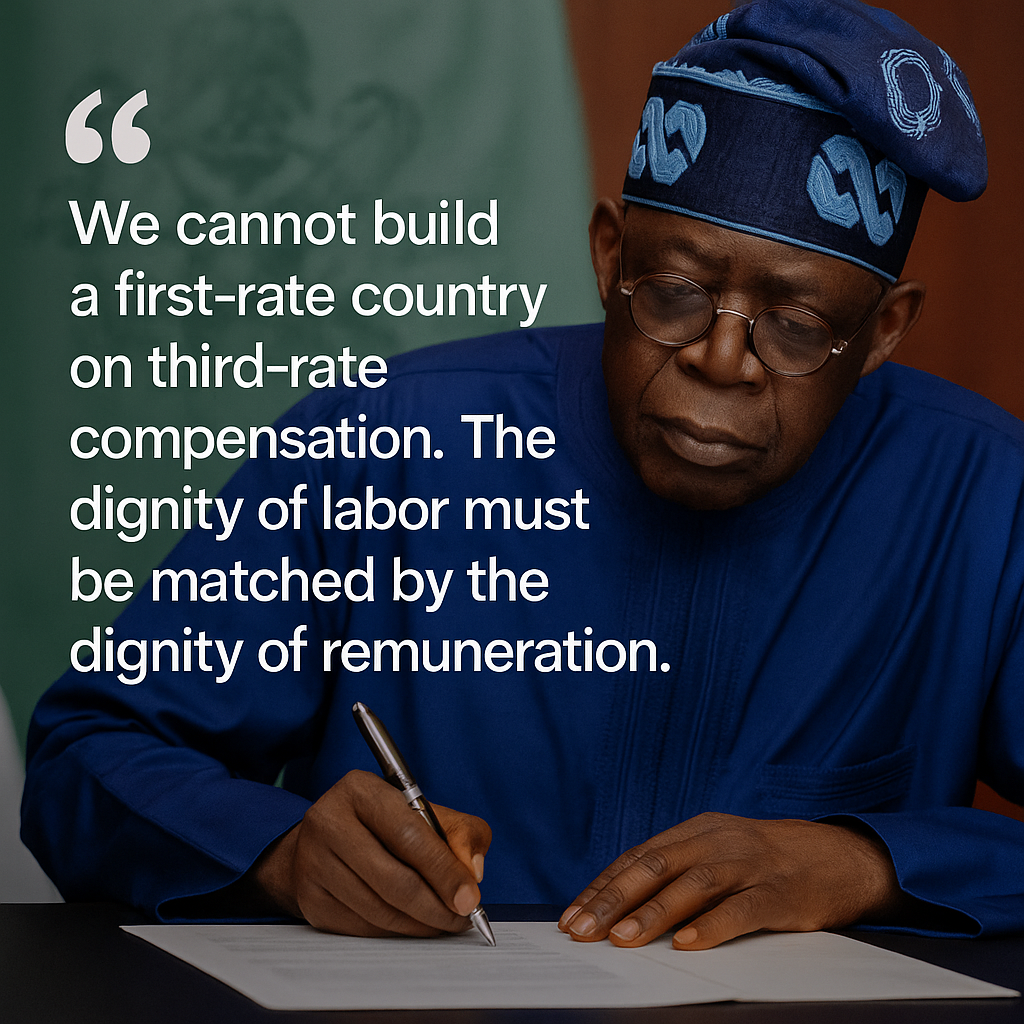
By Newspot Nigeria Editorial desk


Not too long ago, I was about to pay $8 for just two passport photos in the U.S.—a normal rate here—when someone in Nigeria said, “Why not just come home and get four for N1000?” Less than $1. The suggestion made sense on the surface. But it stirred something uncomfortable: a realization of how deeply ingrained our obsession with cheap labor has become, and how that obsession might be costing Nigeria far more than we realize.
We’ve built a culture around underpaying our own—our artisans, our technicians, our service providers—while revering and overpaying anything with a foreign label. The same Nigerians who haggle over N500 for photography will gladly pay $100 for a foreign shoot. We view premium pricing in Nigeria as “exploitative,” but abroad, it becomes a sign of excellence.
It is this warped perception that’s killing our economy from the inside out. It discourages quality, kills innovation, devalues labor, and breeds resentment among professionals who deserve better.

But perhaps things are beginning to change.





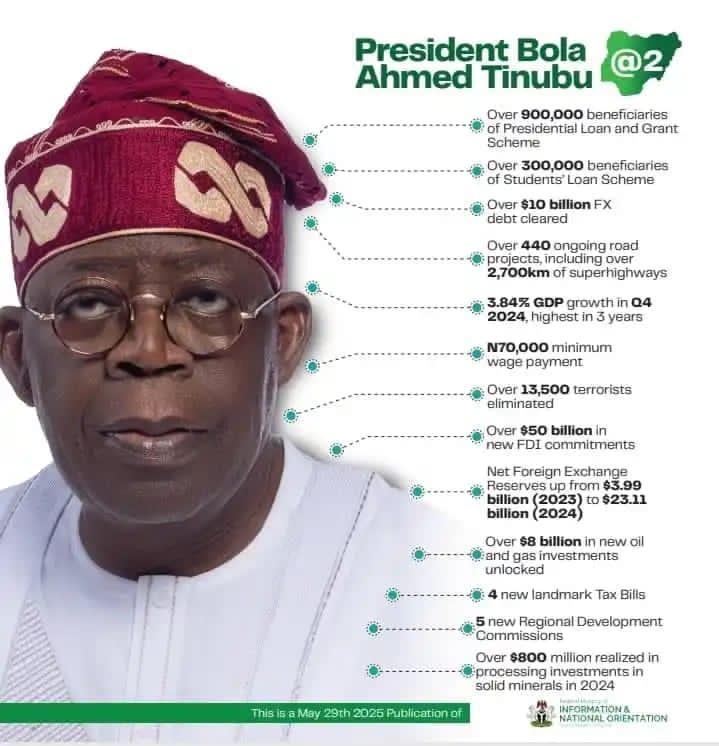
President Bola Tinubu’s newly announced “Renewed Hope Nigeria First” policy may just be the bold disruption the country needs. The policy, as disclosed by the Minister of Information and National Orientation, Mohammed Idris, bans the importation of foreign goods and services that can be sourced locally. It places strict restrictions on expatriates being awarded contracts that Nigerians can handle, and mandates that all Ministries, Departments, and Agencies (MDAs) prioritize Nigerian-made inputs in procurement.
This is not just a procurement policy—it is a declaration of economic sovereignty.


According to the minister, MDAs will no longer be allowed to procure foreign items without a waiver from the Bureau of Public Procurement (BPP), and even when foreign contractors are involved, they must show provisions for technology transfer, local capacity development, or domestic production. No more contractors serving as glorified intermediaries for foreign factories while Nigerian businesses remain idle.
This policy aligns with the very ethos we’ve been preaching for years: buy Nigerian, hire Nigerian, and trust in Nigeria. Yet, the greatest threat to its success isn’t corruption or bureaucracy—it’s us.
If we, the citizens, do not internalize this shift in value, the executive order will remain a political gesture. We must go beyond lip service and begin treating Nigerian labor with the dignity it deserves. That means paying fair prices, valuing time and expertise, and choosing local not only for patriotism but for sustainability.
At Newspot Nigeria, we fully support the “Nigeria First” policy. But we add this caution: economic patriotism must start in the mind and manifest in our daily financial decisions. We must stop celebrating foreign excellence while suppressing local competence. We must stop pricing our welders, caterers, developers, and creatives into poverty just because “na Naija.”
If we want jobs to return, industries to grow, and the naira to strengthen, then it’s time we match government reforms with citizen reform.
Let’s create a Nigeria where we no longer equate cheap with smart—and where premium Nigerian service is seen not as a favor, but as a worthy investment in our collective prosperity.
This editorial was written by the Editorial Desk of Newspot Nigeria.