

By Newspot Nigeria Editorial Desk


In both emerging and established democracies, political defections have become a recurring feature. Often, these movements are framed as strategic realignments—but voters are increasingly skeptical. And rightly so. People are not fools. They can recognize convenience disguised as conviction. They can smell deceit from afar. And across Nigeria and the globe, the evidence shows a growing unwillingness to reward opportunism.
Ortom’s Re-election Amid Defections
In Nigeria, Governor Samuel Ortom of Benue State defected from the APC to the PDP in 2018 following internal party disputes and growing insecurity in his state. Despite significant pushback, including the migration of powerful actors to the opposition, Ortom won re-election in 2019. His case wasn’t about political muscle—it was about the perception that he acted in alignment with public interest, especially at a time when citizens felt unsafe and unheard.
Studies support this public skepticism of defections. According to research from the University of Warwick, Nigerian voters are less likely to support candidates who switch parties, especially when such switches appear driven by personal survival rather than public principle.

Global Cases: When Principle Outlasts Politics
This trend isn’t confined to Nigeria.





-
In Louisiana, Democrat John Bel Edwards retained his governorship in 2019 despite strong partisan opposition. Voters trusted his focus on state-specific issues over national party narratives.
-
In Georgia, Republican Brian Kemp was re-elected in 2022 after rejecting pressure from within his party to overturn the 2020 election results. He didn’t change parties—he held firm, and voters respected that.
-
In Argentina, Gildo Insfrán has held office in Formosa Province since 1995—not because of political perfection, but because he’s maintained ideological consistency and local trust through turbulent years.
-
In Zambia, Hakainde Hichilema—after years in opposition—won in 2021, not because he courted elites, but because he stood his ground through arrests, media attacks, and economic hardship.
These cases all point to the same conclusion: long-term credibility outweighs short-term political calculus.
A Note on Nigeria’s Presidential Dynamics
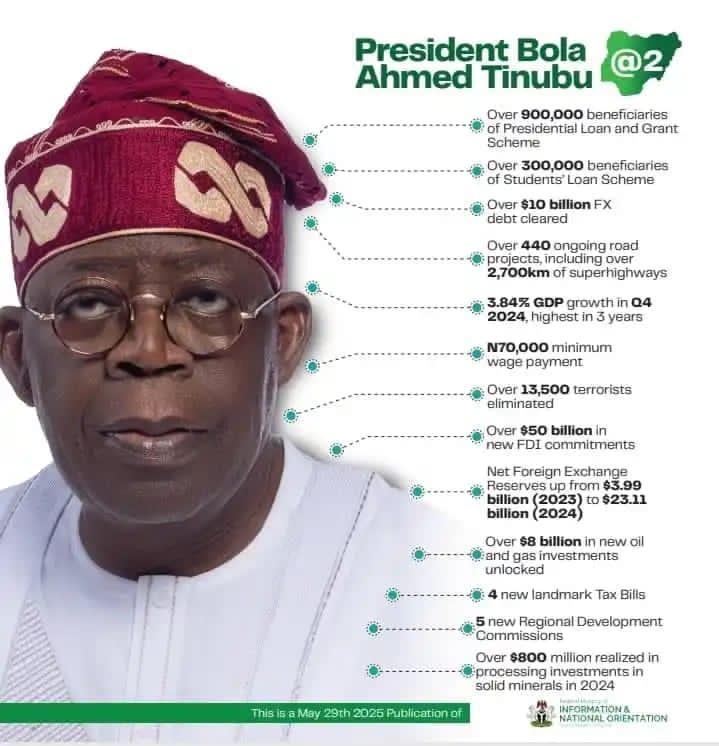
Within Nigeria’s own political terrain, it’s often assumed that electoral loyalty stems from ethnic ties or regional strongholds. But that’s an oversimplification. Take the case of President Bola Ahmed Tinubu. For years, his relevance wasn’t merely tied to ethnic politics—it stemmed from his stance on democratic values, especially during the post-June 12 struggle and his long support for institutional governance. Many Nigerians—whether critics or supporters—acknowledge that his staying power was built on consistency, not just calculations.


But should those values ever shift, the same Nigerians would recognize it, regardless of any appeals to region, religion, or legacy.
Political Loyalty Is Now Conditional
Nigerians are increasingly weighing actions against rhetoric. A politician’s history of service, consistency, and alignment with public needs matters far more than party banners or endorsements. The WRAP study concluded that party-switching candidates must explain their motives clearly or risk being rejected by an electorate that has grown more discerning.
The lesson for Nigeria and elsewhere is clear: you can’t defect your way into trust. That’s earned over time—and often under pressure.
Final Reflection: The Age of Passive Voters Is Over
Across democracies, voters are no longer swayed by slogans or surface-level alignments. They’re watching closely, and their judgments are increasingly based on whether leaders stay rooted in principle—even when it’s inconvenient.
So when the next wave of defections begins, those who weather the storm will not be those with the loudest endorsements, but those with the firmest record of integrity.
Brought to you by Newspot Nigeria—offering analysis that goes beyond headlines.