By Newspot Nigeria Editorial Board
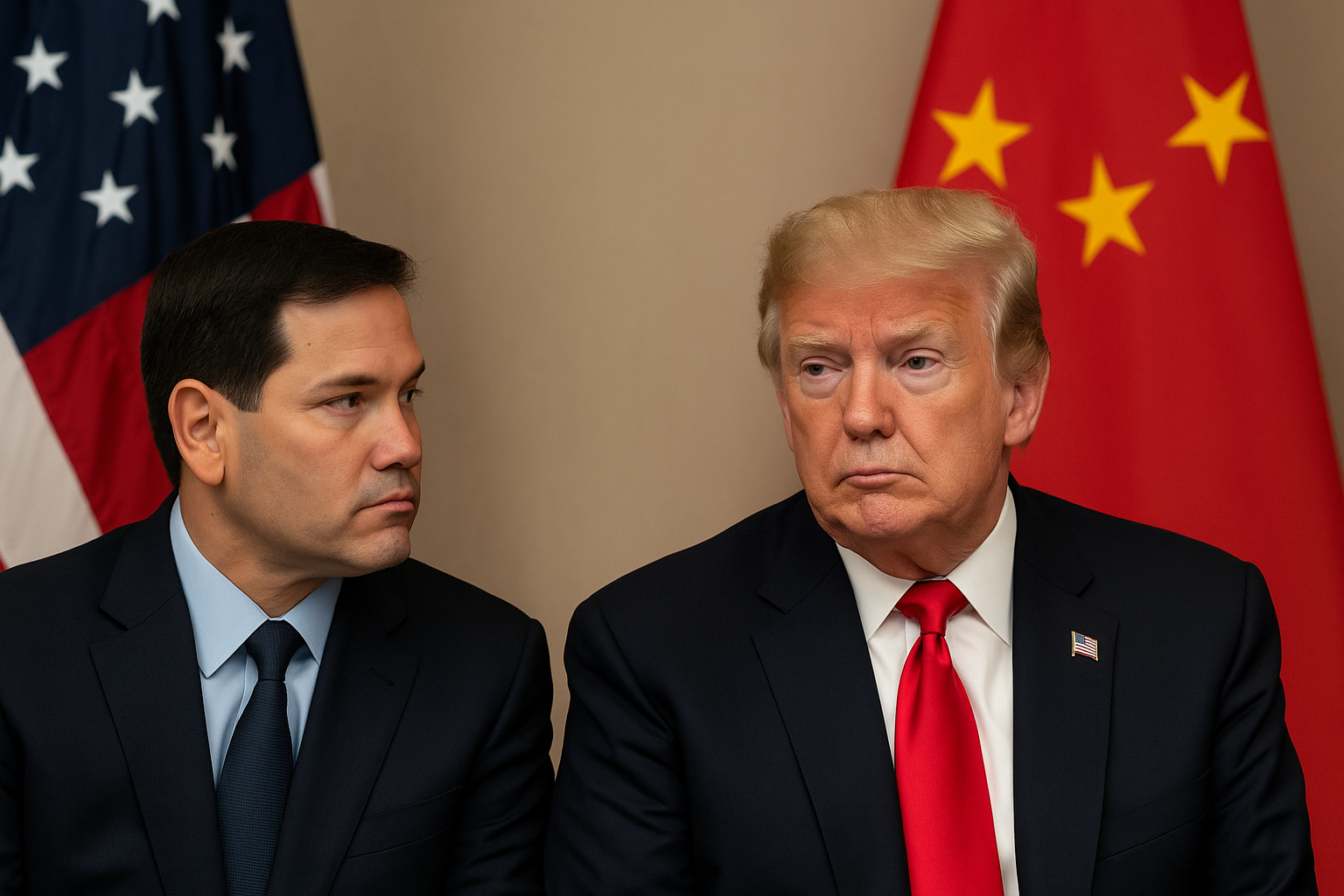
In a bold but controversial move, President Donald Trump’s administration has shifted its foreign policy gaze back toward Latin America—but not with open arms. Instead, the region is being met with a wave of punitive tariffs and tough immigration measures that risk backfiring on U.S. interests, even as they are designed to contain China’s growing global influence.
This isn’t just speculative anymore. In a celebratory 100-day Op-Ed released by Secretary of State Marco Rubio on April 30, 2025, the administration highlighted what it sees as “wins” for American foreign policy: reorganizing the Department of State, cutting foreign aid, pressuring Panama to leave China’s Belt and Road Initiative, and tightening immigration policies. But beneath the confident tone lies a troubling signal: Washington’s diplomacy with the global South is growing narrower, more transactional, and less patient.
💥 Tariffs as a Weapon, Not a Tool for Partnership

The imposition of blanket tariffs—starting at 10% and surging to 18% for countries like Nicaragua—is squeezing already fragile Latin American economies. These nations, still recovering from global inflation and post-pandemic supply shocks, now face new pressures that could lead to economic destabilization. Washington says it’s about limiting Beijing’s reach—but for many countries, it feels like being punished, not partnered with.





Ironically, similar dynamics played out in Trump’s first term. Brazil, for instance, gained export opportunities when China sought alternative suppliers during U.S.-China trade tensions. Today, China is poised again to fill the gaps—this time across multiple sectors and borders.
🛑 TPS Revocation & Deportation Agreements – Policy or Punishment?


The revocation of Temporary Protected Status (TPS) for over 500,000 migrants, combined with deportation agreements signed with Central American and Caribbean nations, sends a hardline message. Secretary Rubio’s April update reinforced this approach: “Partnership is valued, but hostility will be punished.” For many in Latin America, this rhetoric echoes an old pattern—where security concerns override humanitarian considerations and long-term collaboration.
🤝 Narrow Alliances, Narrower Vision
Rather than cultivating broader partnerships, the administration appears to be doubling down on ideological alignment. Leaders like El Salvador’s Nayib Bukele and Argentina’s Javier Milei are being courted, while more moderate or left-leaning governments are sidelined. Coupled with sharp USAID cuts and the elimination of soft power offices, this strategy risks hollowing out decades of goodwill-building infrastructure.
This approach, proudly outlined in Rubio’s memo, may win applause in domestic politics but makes it easier for China to quietly expand its regional footprint, especially in areas like infrastructure, energy, and digital connectivity.
🔍 Strategic Myopia in a Multipolar Era
Rather than building long-term goodwill, the Trump administration is wielding tariffs and immigration crackdowns as tools of pressure. But these tools—without a counterbalance of investment, respect, and inclusive diplomacy—could drive even traditional U.S. allies to consider China a more stable partner.
For instance, while the U.S. celebrates Panama’s exit from the Belt and Road Initiative, no clear alternative economic support has been offered. That leaves a vacuum in critical infrastructure, one that others—China, Turkey, or even Gulf states—will be eager to fill.
🌎 Time for a True Regional Reboot
If the United States truly wishes to lead in Latin America, it must adopt a broader, more inclusive approach:
-
Reinstate and expand development aid, not slash it.
-
Treat migration as a shared challenge, not a zero-sum game.
-
Engage with all leaders, not just ideological allies.
-
Offer competitive investment alternatives to Chinese-backed infrastructure projects.
-
Prioritize respect for sovereignty over strategic domination.
Without these steps, America risks not just alienating Latin America but losing it entirely to strategic competitors. A “leaner” State Department may save dollars, but it could cost Washington its long-standing influence in the Western Hemisphere.
Newspot Nigeria will continue to track these developments and highlight how foreign policy decisions in the North ripple through the Global South.