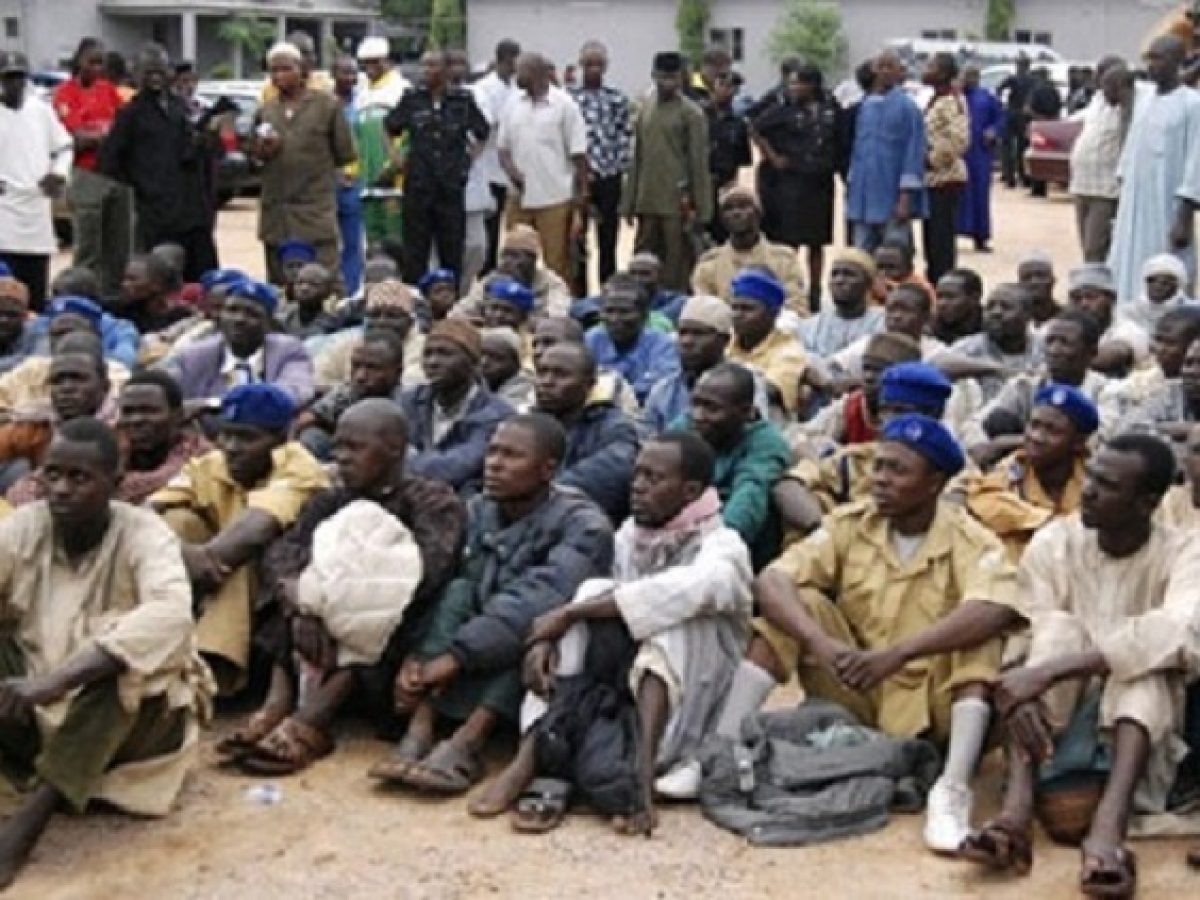

Security experts, civil society organizations, and victims of terrorism have voiced significant concerns over the Nigerian government’s decision to reintegrate former Boko Haram members into society. The move has been described as a grave injustice to the victims of terrorism, who continue to suffer in Internally Displaced Persons (IDP) camps.
Abdullahi Mohammed Jabi, a security consultant, criticized the reintegration of 5,000 repentant terrorists, highlighting that this action undermines the sacrifices of Nigerians who have lost their lives in the fight against terror. Jabi’s comments come after a tragic attack on January 25, 2025, where 22 soldiers were killed in Borno during an operation against a terrorist stronghold.
Following a meeting of Lake Chad Governors in Borno, where it was revealed that over 5,000 ex-terrorists have been reunited with their families, Jabi described the reintegration as a flawed policy. He argued, “What we should be doing for those criminals is to pay them back in their own coin. It should be an eye for an eye if we are serious about eradicating this terrorist mayhem.”
Auwal Musa Rafsanjani, Executive Director of the Civil Society Legislative Advocacy Centre (CISLAC), also criticized the program, stating that victims remain uncompensated while perpetrators are rehabilitated. “CISLAC does not support this reintegration because, first and foremost, people committed atrocities – they killed, they destroyed – and those who are victims are not being rehabilitated,” Rafsanjani emphasized.

Mutah Nkeki, a leader from the Chibok community, accused the government of perpetuating injustice against Chibok indigenes. He claimed that families of the abducted Chibok schoolgirls have been denied access to their children who managed to escape or were rescued.
In response, Borno State Commissioner for Information and Internal Security, Prof Usman Tar, denied these allegations, asserting that the state government has invested significantly in community resettlement. He explained that many former insurgents released are farmers caught in conflict, while hardcore insurgents remain in camps.




The ongoing debate reveals the complex challenges faced by Nigeria in addressing terrorism while balancing justice and reconciliation efforts for affected communities.
Stay tuned to Newspot Nigeria for updates on this story.


Source: Leadership