
By Newspot Nigeria Global Desk

In a sweeping move to combat one of the most sophisticated mobile ad fraud schemes in recent memory, Google has yanked 352 Android apps from the Play Store after investigators uncovered an elaborate operation known as IconAds—a scheme that generated a staggering 1.2 billion ad bid requests per day at its peak.
The scam was uncovered by cybersecurity firm HUMAN, which traced the fraudulent traffic to apps masquerading as harmless tools—like flashlights, photo editors, and file scanners—that secretly ran out-of-context ads on users’ devices, even when the apps weren’t active.
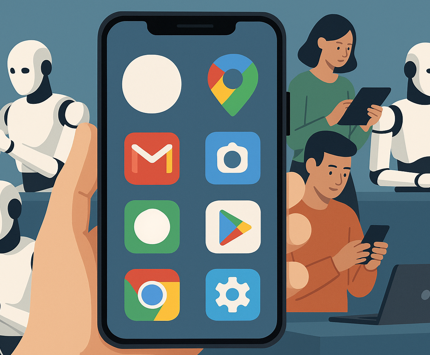
🚨 Most disturbing? Many of the apps disguised themselves as legitimate icons such as Gmail or Google Maps, or appeared as blank white circles on users’ screens. Clicking them either did nothing or stealthily redirected users to the actual Play Store, while malicious code ran in the background.

“These bad actors are earning millions,” said Gavin Reid, chief information security officer at HUMAN. “And not enough people are paying attention.”





🌍 The traffic primarily originated from Brazil, Mexico, and the United States, but the global impact was hard to quantify. According to Reid, the fraud was deeply embedded—from encrypted code and deceptive domain names to misleading app metadata using terms like “desk” instead of “Android version” to mask malicious behavior.
One example? A seemingly innocent app like Wallpapers 2025 might appear in your app drawer as Google Home, while secretly delivering ads that users never intended to view.


📱The now-pulled apps were connected to shell companies that continuously released fresh apps under fake developer profiles. Once one set was flagged or deleted, a new batch would surface. Some users even struggled to remove the apps once installed, not knowing where they were hidden.
🚫 This isn’t Google’s first rodeo. Just four months ago, more than 180 Android apps were removed following another fraudulent operation discovered by Integral Ad Science.
🔞 The crackdown also included high-profile removals like XShorts, an adult video app that had surged into the Play Store’s top 5. An ADWEEK investigation revealed that major brand ads were unintentionally being served on the NSFW platform.
🎯 HUMAN’s João Santos added that today’s ad fraud tactics are more sophisticated than ever. “We’re seeing apps now encrypting key data and mimicking trusted services,” he said. “This makes network-level detection incredibly challenging.”
Google has since pulled all flagged apps and continues to rely on Play Protect, its built-in device security system, to detect harmful behavior. However, Reid noted that “any fraud protection system needs to be constantly tuned with the latest techniques—and that’s where we help Google.”
📰 This ongoing battle highlights how vulnerable mobile ad ecosystems remain, and why continued vigilance is essential across the digital ad space.
📢 For Nigerian users, this incident is a timely reminder to verify apps before downloading—even if they appear safe. Ad fraud is no longer a problem for other continents. It’s global.
🛡️ Stay informed. Stay protected. For more updates on cybersecurity and digital trends impacting Nigeria and the world, follow Newspot Nigeria.